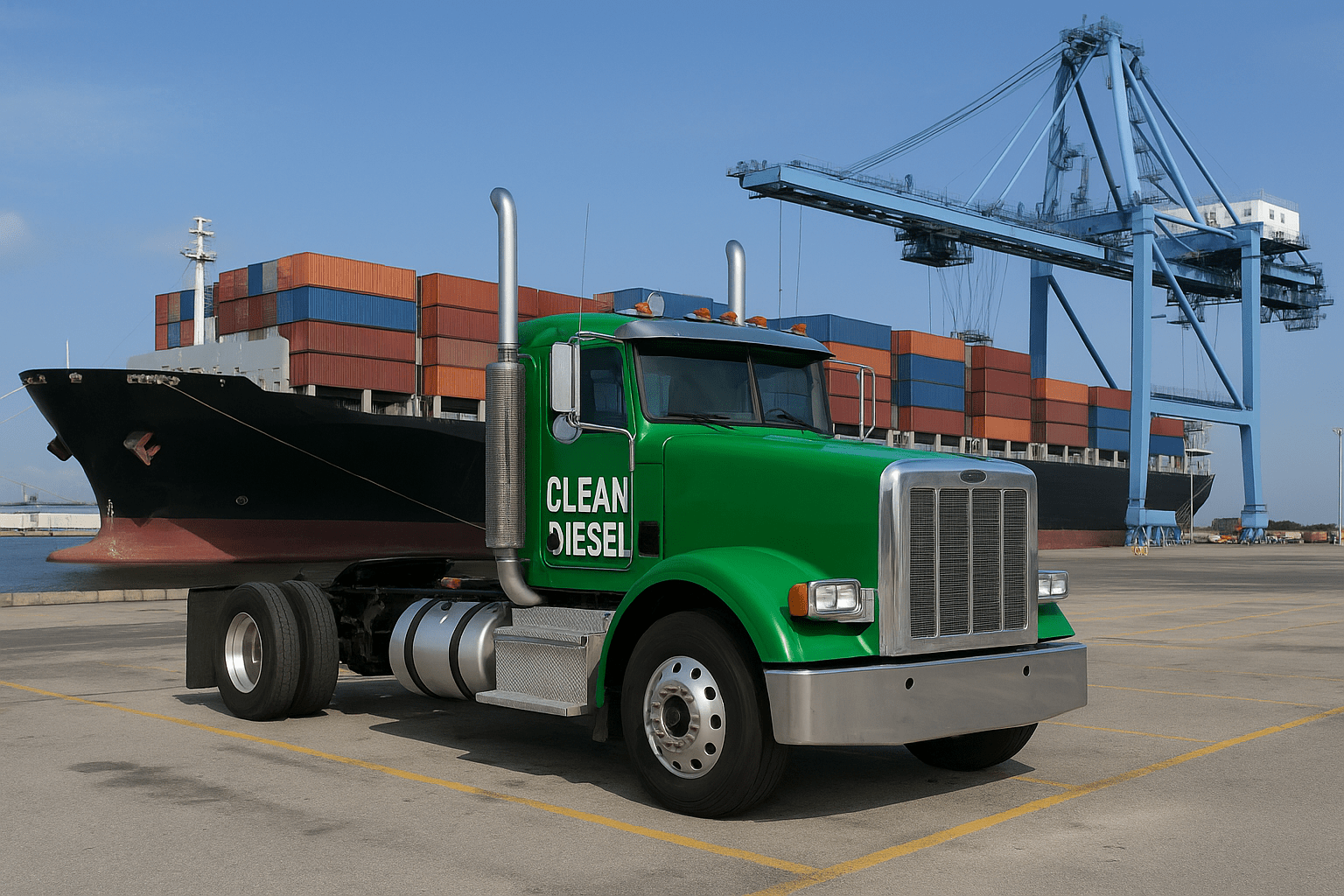
EPA Clean Diesel Truck Program Invests in Cleaner Port of San Juan, Puerto Rico
The U.S. Environmental Protection Agency (EPA) has awarded $1.4 million to help clean or reduce air pollution from diesel trucks operating at the Port of San Juan in Puerto Rico. The funding supports cleaner technologies for heavy-duty trucks and is part of a nationwide effort to cut emissions and protect public health in communities near ports.

This investment targets a major source of air pollution—older diesel engines that continue to emit harmful particulates and nitrogen oxides. These emissions contribute to asthma, respiratory illness, and poor air quality, particularly in areas near busy transportation hubs like San Juan.
Why Port Truck Emissions Matter
Every day, hundreds of diesel trucks enter and exit the Port of San Juan. Many of these vehicles are more than a decade old and lack modern emissions controls. As a result, they release high levels of air pollutants into neighborhoods near the port.
Children, older people and those with asthma are especially vulnerable.
According to the EPA, port communities often experience some of the worst air quality in the country. Targeting truck emissions at ports can significantly lower exposure and improve local health outcomes.
What the EPA Grant Will Fund
The $1.4 million EPA grant will help:
- Replace older, high-emitting trucks with cleaner diesel or low-emission vehicles
- Retrofit engines with modern emissions-control technologies
- Support idle-reduction equipment to cut pollution from trucks waiting to load or unload
The program is part of the National Clean Diesel Campaign, which supports local efforts to modernize diesel fleets while keeping goods moving.
A Win for Public Health and the Environment
Cleaner trucks mean cleaner air. By replacing or retrofitting polluting engines, this project will reduce:
- Fine particulate matter (PM2.5)
- Nitrogen oxides (NOx)
- Black carbon, a powerful short-lived climate pollutant
These improvements are expected to benefit both the environment and human health, especially in communities surrounding the port.
“This project will have a direct, positive impact on air quality and quality of life,” said an EPA spokesperson. “Reducing diesel emissions helps protect those most at risk.”
Jobs and Sustainability
Beyond health benefits, the initiative also supports green jobs and sustainability goals in Puerto Rico. Local companies will help retrofit or replace trucks, creating employment and building capacity for future clean transportation efforts.
Moreover, these upgrades will improve fuel efficiency, helping truck owners save on operating costs while doing their part to reduce emissions.
Supporting a Broader Mission
This grant is one part of the EPA’s broader mission to reduce diesel pollution in freight and goods movement. Since its inception, the Clean Diesel Campaign has funded thousands of similar projects across the U.S.
According to the EPA, every $1 spent on clean diesel programs returns up to $13 in public health benefits. Those gains come through lower hospital visits, fewer missed school days, and better air quality in areas once burdened by emissions.

Looking Ahead in Puerto Rico on the EPA Clean Diesel Truck Program
As Puerto Rico works to strengthen its environmental infrastructure, projects like this highlight the importance of federal investment. Cleaner port operations benefit not just the workers and truck drivers—but the entire island.
And with growing attention on climate and resilience, modernizing transportation systems is no longer optional. It’s essential.
Final Word on the Clean Diesel Truck Program
The EPA’s $1.4 million grant to clean up trucks at the Port of San Juan marks a major step toward healthier air and safer communities in Puerto Rico. By cutting diesel pollution, the project delivers benefits that extend well beyond the port—supporting health, sustainability, and economic opportunity.
Related Links:
- 🔗 EPA National Clean Diesel Campaign (2011 archive)
- 🔗 Puerto Rico Environmental Quality Board (2011)
(New York, N.Y. – December 5, 2011)
To learn more about EPA’s clean diesel efforts and the Northeast Diesel Collaborative visit:
http://www.epa.gov/cleandiesel/index.htm#voluntary and http://www.northeastdiesel.org
Follow EPA Region 2 on Twitter at http://www.twitter.com/eparegion2 and visit our Facebook page, http://www.facebook.com/eparegion2.