
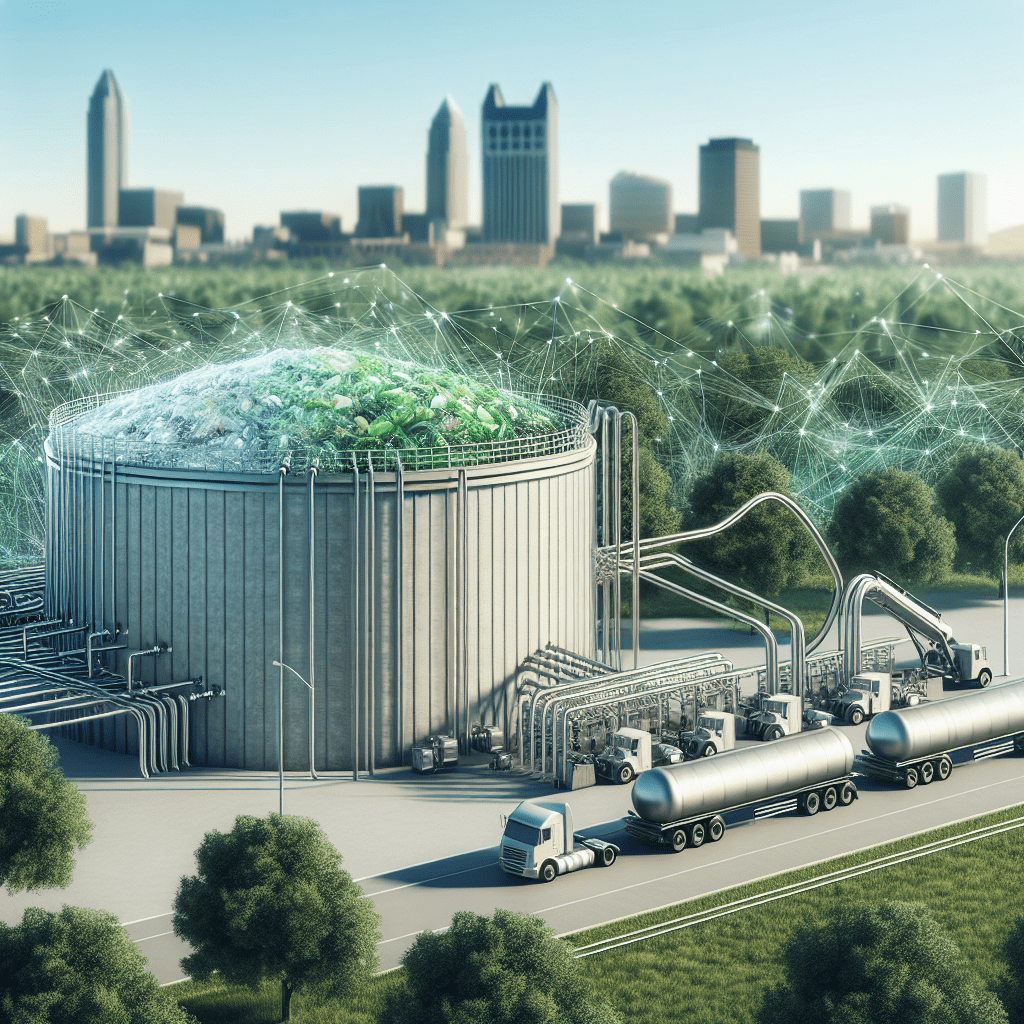
Sacramento’s Waste Management Revolution: Turning Trash into Green Power
Sacramento, California’s capital city, is leading the charge in innovative waste management practices. The city’s approach to handling trash has undergone a significant transformation, moving away from traditional landfills towards more sustainable solutions.
Biodigestion: A Game-Changer for Waste Management
One of the most exciting developments in Sacramento’s waste management strategy is the implementation of a bio-digester. These advanced systems are revolutionizing how the city deals with organic waste. Instead of sending food scraps and yard trimmings to landfills, biodigesters convert this organic matter into renewable energy.

How Biodigesters Work:
- Waste Collection: Organic waste is collected from homes and businesses.
- Anaerobic Digestion: The waste is broken down by microorganisms in an oxygen-free environment.
- Biogas Production: This process produces biogas, primarily composed of methane.
- Energy Generation: The biogas is then used to generate electricity or heat.
Benefits of Biodigestion:
- Reduced Landfill Usage: By diverting organic waste, Sacramento significantly decreases the amount of trash sent to landfills.
- Green Energy Production: The biogas produced provides a renewable energy source for the city.
- Lower Greenhouse Gas Emissions: Methane emissions from landfills are reduced, helping combat climate change.
Comprehensive Waste Management Strategies
While biodigestion is a cornerstone of Sacramento’s new approach, the city has implemented a multi-faceted strategy to manage waste effectively:
-
Curbside Collection Programs
Sacramento County’s Waste Management and Recycling Department offers comprehensive curbside collection services. Residents receive weekly pickups for organics, recycling, and garbage. The department has also introduced free kitchen pails to make food scrap collection easier for households.
-
Education and Outreach
The city has launched various initiatives to educate residents about proper waste sorting and recycling practices. The “SacGreenTeam” mobile app, for instance, provides collection schedules, reminders, and a “How do I get rid of…” tool to help residents dispose of items correctly.
-
Recycling Facilities
Sacramento boasts several recycling drop-off locations, making it convenient for residents to recycle items that can’t be collected curbside. These facilities accept a wide range of materials, from electronics to household hazardous waste.
-
Commercial Waste Compliance
The city has implemented strict waste compliance regulations for businesses and multi-family dwellings. This includes mandatory recycling and organics collection programs to ensure that commercial entities contribute to the city’s sustainability goals.
Looking Ahead: Challenges and Opportunities
Despite the progress made, Sacramento faces ongoing challenges in its waste management efforts. These include:
- Increasing Participation: Encouraging more residents and businesses to actively engage in recycling and composting programs.
- Reducing Contamination: Improving the quality of recyclables by minimizing contamination in recycling bins.
- Expanding Infrastructure: Continuing to invest in and develop waste processing facilities to handle growing populations.
Sacramento’s journey towards sustainable waste management serves as an inspiring model for other cities. By embracing innovative technologies like biodigestion and implementing comprehensive recycling programs, the city is not only reducing its environmental impact but also creating a cleaner, greener future for its residents.
For more information on Sacramento’s waste management initiatives, visit:
https://wmr.saccounty.net/Pages/default.aspx
To learn about broader trends in sustainable waste management, check out:
https://www.epa.gov/transforming-waste-toolThe generated image perfectly captures Sacramento’s innovative approach to waste management. It showcases a state-of-the-art biodigester facility set against the backdrop of the city’s skyline, highlighting the seamless integration of sustainable practices into urban infrastructure.
 Where trash goes in #Sacramento. Toward #greenpower not a landfill!!! #biodigester
