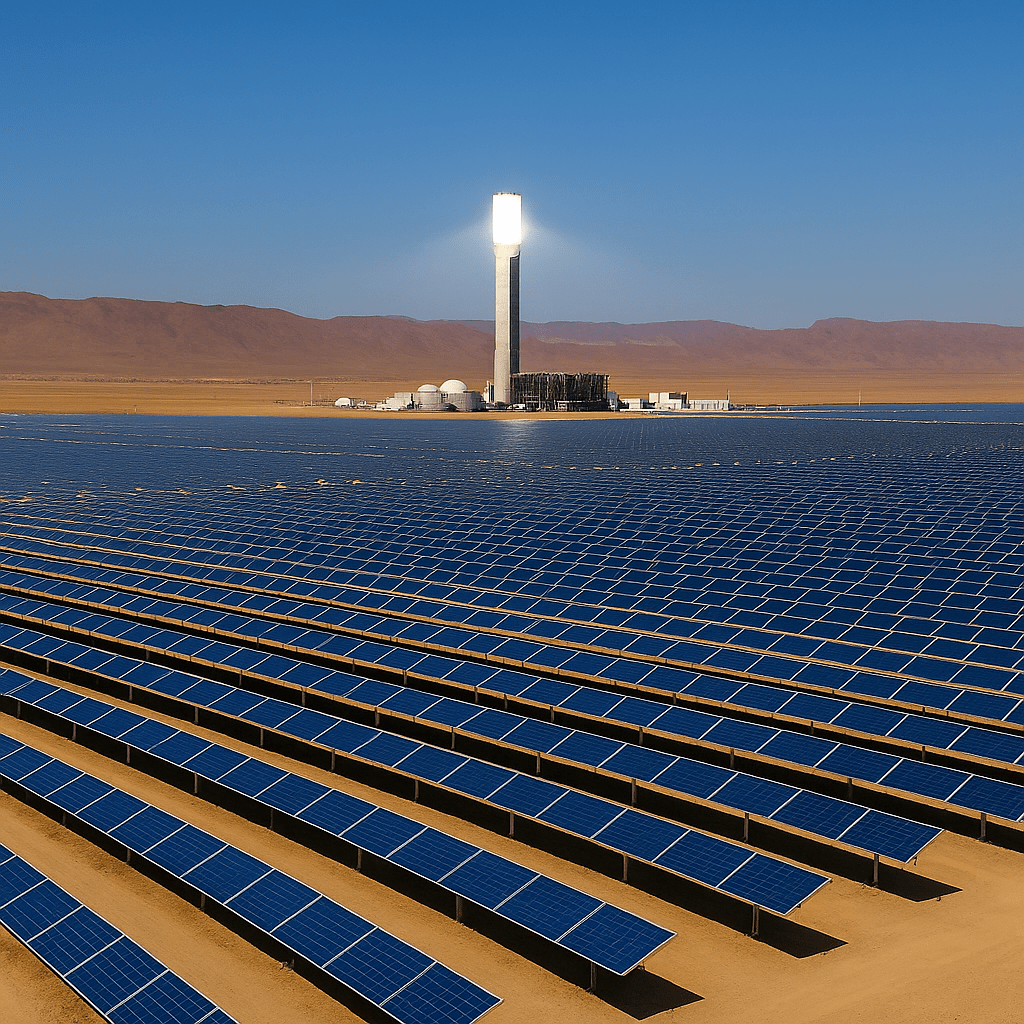
MENA Solar Market Poised to Surpass 3 Gigawatts Annually by 2015
The Middle East and North Africa (MENA) region is rapidly becoming a major player in the global solar energy race. According to a new 2013 industry report by the Middle East Solar Industry Association (MESIA), solar markets in MENA were projected to exceed 3 gigawatts (GW) of annual installations by 2015. This marks a dramatic rise from previous years and signals a clear shift toward clean energy adoption in oil-rich economies.
The report, titled Solar Outlook Report 2013, outlines the forces shaping this momentum. From national energy reforms to plummeting panel prices, a perfect storm of conditions is driving rapid expansion in the region.
From Oil to Sun: A Strategic Shift
Historically, MENA nations relied heavily on fossil fuels. Yet rising domestic energy demand and dwindling oil exports have forced governments to rethink their energy strategies. Countries like Saudi Arabia, the UAE, and Morocco are now investing billions into solar projects to diversify energy supplies and preserve oil for export.
At the same time, lower costs for photovoltaic (PV) systems have made solar more accessible than ever. Combined with the region’s high solar irradiance, this technology is now both economically and environmentally viable.

MENA Regions Energy Mix
As a result, solar is becoming a serious part of the MENA region’s long-term energy mix. In some countries, it’s already cheaper than gas-fired electricity.
Regional Leaders Emerge
While many MENA nations are just beginning to scale up solar development, a few have already emerged as regional leaders. Saudi Arabia, for example, has announced plans to deploy 41 gigawatts of solar capacity by 2032. The United Arab Emirates continues to expand projects like the massive Shams 1 solar plant in Abu Dhabi.
Morocco has also attracted global attention with its Ouarzazate Solar Complex, a large-scale, multi-phase project designed to generate hundreds of megawatts through a mix of solar thermal and PV technologies.
In North Africa, Egypt and Tunisia are accelerating pilot projects and incentive programs to tap into the region’s strong solar resources.
Policy Support Fuels Growth
One of the key findings from MESIA’s report is the growing role of policy in driving solar adoption. Feed-in tariffs, renewable energy targets, and public-private partnerships are helping lower risks for investors. In several countries, these tools are essential to ensure solar becomes more than a political talking point.
In addition, governments are starting to integrate solar into national grids, expand net metering options, and establish bidding rounds for utility-scale projects. These efforts send a clear message: solar is here to stay.
The report also highlights the importance of international partnerships. Organizations like Masdar in the UAE and Saudi Arabia’s King Abdullah City for Atomic and Renewable Energy (KACARE) are teaming up with companies around the world to bring in the capital and expertise needed to deliver large-scale results.
Economic Benefits Beyond Energy
Beyond energy security, the solar boom is creating economic opportunities. Local manufacturing of solar components, job training programs, and research centers are already taking shape. For example, new factories in Jordan and Dubai are producing PV panels and mounting systems. Meanwhile, technical universities are launching solar curriculum to build the workforce needed to maintain and expand these systems.
The economic ripple effects are undeniable. As MENA nations invest in solar, they’re also investing in jobs, skills, and long-term innovation.
Challenges Still Remain
Despite the surge in interest, the MENA solar market faces challenges. Regulatory uncertainty, limited grid infrastructure, and fluctuating oil prices still affect investment decisions. Moreover, many countries are still developing the technical expertise needed to operate and maintain large solar facilities.
However, the MESIA report is clear: the overall trend points toward rapid solar growth. With continued support and clear policy frameworks, MENA could soon become one of the world’s largest solar markets.
Final Word
The Solar Outlook Report 2013 offers a snapshot of a region in transition. As MENA countries confront rising energy needs and global pressure to reduce emissions, solar power is no longer a fringe option. It’s a rising force.
With over 3 gigawatts projected annually by 2015, the region is poised to redefine its role in the global energy landscape—not just as a supplier of oil, but as a leader in solar.
Sources
- International Energy Agency – MENA Renewable Market Outlook
- Middle East Solar Industry Association (MESIA)
January 10, 2013 08:13 Source: Greentech Media
BOSTON, Jan. 10, 2013 (GLOBE NEWSWIRE)
New Report: MENA Solar Markets to Exceed 3 Gigawatts Annually by 2015