
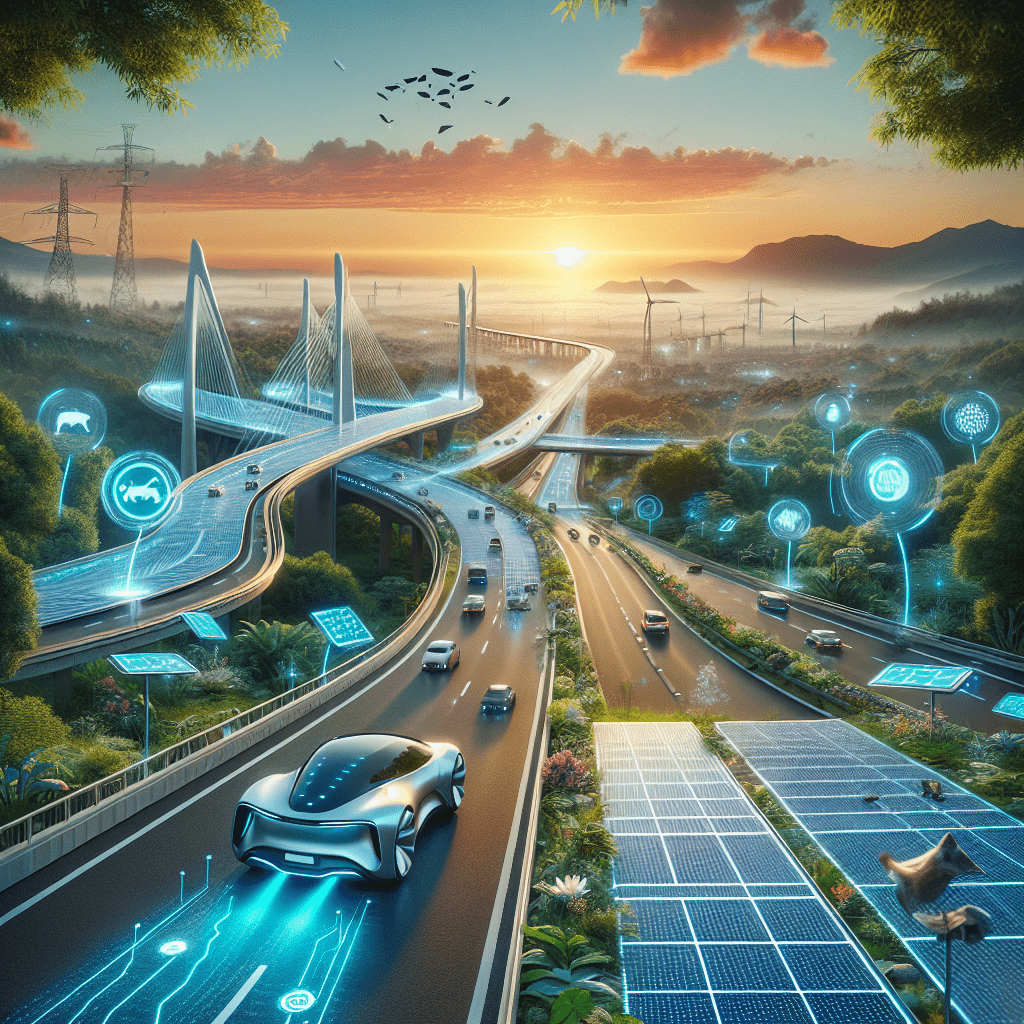
Revolutionizing Roads: New Trends in Transportation Infrastructure
The Dawn of Smarter, Greener Highways
In May 2013, the transportation sector witnessed a paradigm shift as innovative technologies and sustainable practices reshaped our roads and highways. These groundbreaking developments promised not only to enhance safety and efficiency but also to significantly reduce the environmental impact of our transportation infrastructure.
Intelligent Transportation Systems (ITS)
Roads That Think
Smart road technologies emerged as a game-changer in traffic management. These systems utilized sensors and real-time data analysis to optimize traffic flow, consequently reducing congestion and emissions. Moreover, intelligent traffic lights adapted to traffic patterns, ensuring smoother commutes for millions of drivers.

Vehicle-to-Infrastructure Communication
Furthermore, the integration of vehicle-to-infrastructure (V2I) communication systems gained traction. This technology enabled cars to “talk” to road infrastructure, thereby enhancing safety and providing drivers with crucial real-time information about road conditions and potential hazards.
Sustainable Materials and Construction
Greener Asphalt
Eco-friendly asphalt mixtures, incorporating recycled materials and lower-temperature production processes, gained popularity. As a result, road construction became more sustainable, reducing both energy consumption and carbon emissions.
Self-Healing Concrete
Additionally, researchers developed self-healing concrete, capable of repairing its own cracks. This innovation promised to extend the lifespan of roads and bridges, thus reducing maintenance costs and resource consumption in the long run.
Energy-Generating Infrastructure
Solar Roadways
The concept of solar roadways captured the imagination of engineers and environmentalists alike. These innovative surfaces not only served as traditional roads but also generated clean energy, potentially transforming our highways into massive solar farms.
Piezoelectric Energy Harvesting
Moreover, piezoelectric systems, which generate electricity from the pressure of moving vehicles, showed promise in pilot projects. This technology could potentially harness the kinetic energy of traffic to power street lights and nearby facilities.
Enhanced Safety Features
High-Tech Guardrails
Advanced guardrail systems, equipped with impact-absorbing materials and sensors, improved road safety. These smart barriers could alert authorities to accidents and provide crucial data for emergency response teams.
Wildlife Crossings
Furthermore, the implementation of wildlife crossings gained momentum. These structures, designed to allow animals to safely cross highways, reduced wildlife-vehicle collisions and protected biodiversity.
For more information on innovative transportation infrastructure, visit:
- U.S. Department of Transportation – Intelligent Transportation Systems
- American Society of Civil Engineers – Infrastructure Report Card
To learn more about sustainable transportation and eco-friendly infrastructure, check out these Green Living Guy resources:
As we move forward, these new trends in transportation infrastructure pave the way for safer, more efficient, and environmentally friendly roads. By embracing these innovations, we not only improve our daily commutes but also drive towards a more sustainable future for generations to come.
