
Blue Water Task Force Report Highlights Coastal Water Quality Trends: Public Local Water Test
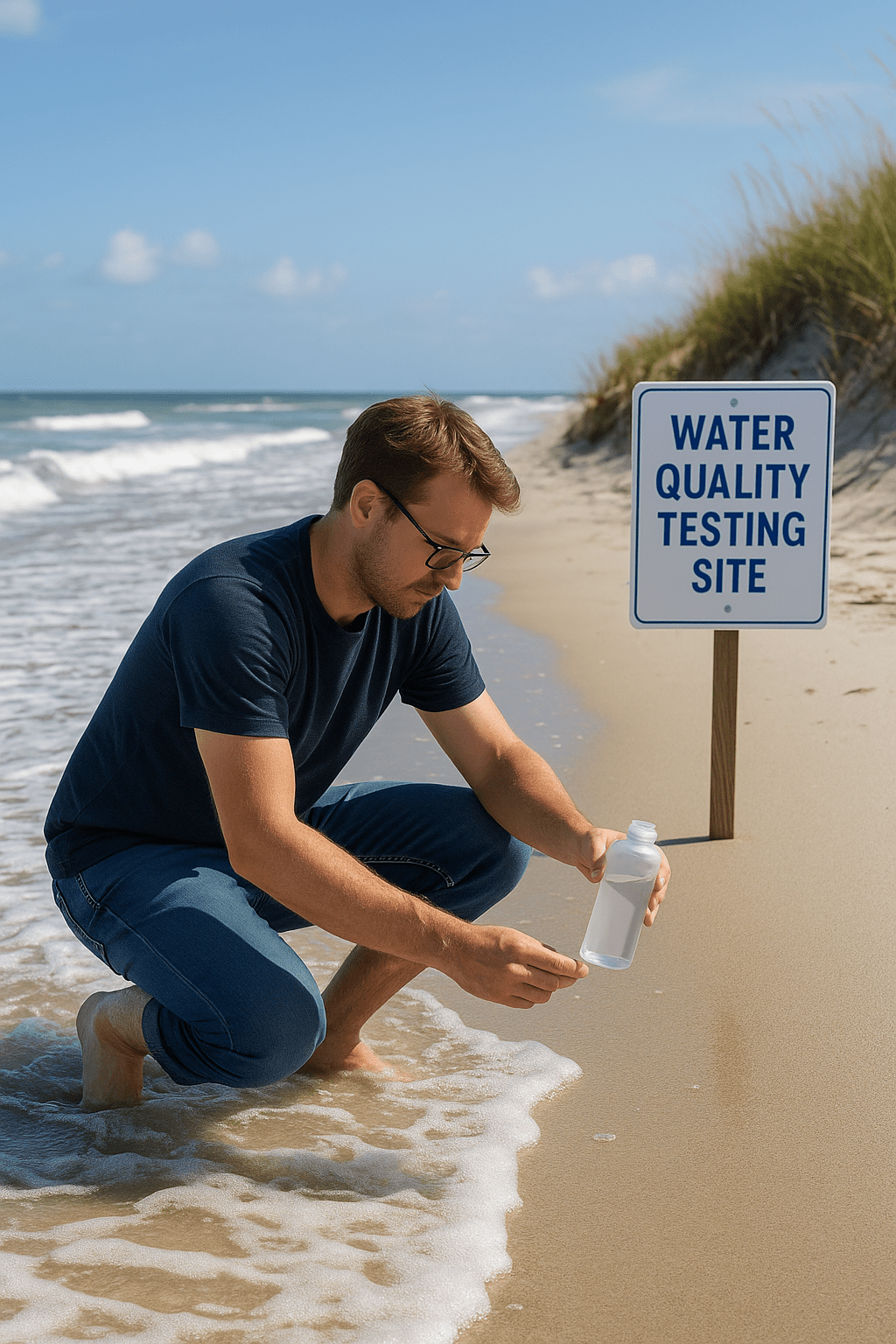
The Surfrider Foundation’s Blue Water Task Force (BWTF) released its annual report on coastal water quality. This volunteer-run program collects over 2,000 water samples each year from more than 300 sites across the U.S. The goal is simple but critical: protect public health and raise awareness of local water pollution issues.
Volunteers gather samples from popular beaches, rivers, and bays near both urban and rural communities. They test for bacterial contamination. They share results with the public. They highlight pollution hotspots that threaten swimmers, surfers, and marine life.
Testing Reveals Persistent Pollution
The latest report shows that many well-loved beaches and waterways still fail to meet safe bacterial standards. Urban runoff, failing septic systems, and aging sewer infrastructure continue to drive high bacteria levels. Heavy rainfall makes the problem worse.
After storms, runoff often overwhelms systems and sends untreated wastewater, oil, fertilizers, and trash into nearby waterways. This polluted stormwater carries bacteria and other harmful contaminants straight to beaches and bays where people swim, fish, and surf.
BWTF results reveal that many testing sites regularly exceed state health standards. That’s especially after rain events. Volunteers emphasize that these trends pose ongoing health risks to recreational users. All the while, it’s also harming aquatic ecosystems in t
Public Local Water Test: Stormwater Pollution as a Major Threat
Panelists and researchers agree: stormwater runoff is the largest source of pollution for coastal waters in the U.S. Aging urban infrastructure can’t handle increased rainfall, made worse by climate change.
As cities expand, more paved surfaces prevent water from soaking into the ground naturally. Instead, contaminated runoff rushes into storm drains; thereby picking up bacteria, nutrients, and toxic chemicals along the way.

This reality means even beaches that clean can harbor dangerous levels of bacteria after storms. The BWTF wants to raise public awareness about these invisible threats.
Community Science in Action
The Blue Water Task Force demonstrates the power of community science. Local Surfrider chapters test water regularly, keep public databases, and also share results with local health departments.
Transparency drives change. And especially when results show chronic contamination. So, local officials can most definitely take action. Some communities have upgraded sewer systems, improved stormwater controls, or posted warning signs thanks to BWTF testing.
Surfrider also argues that regular testing empowers residents to demand solutions. It also educates the public about how daily activities—like over-fertilizing lawns or dumping waste down drains—contribute to the problem.
Volunteers Lead the Way
First of all, volunteers are the backbone of the Blue Water Task Force. They collect samples, run lab tests, keep data records, and engage local stakeholders. This hands-on involvement builds environmental literacy and encourages stewardship.
Additionally, the Surfrider Foundation also says supporting these local volunteers is critical. Especially to expanding water quality monitoring in the region. The more communities have access to reliable, up-to-date data, the better they can protect public health and marine ecosystems.
A Call for Action
Ultimately, the BWTF’s report calls for stronger action at every level. It also urges investment in modern, resilient stormwater systems that can really handle bigger storms. It encourages local governments to enforce pollution controls more strictly.
Most importantly, the program asks individuals to change daily habits; thereby reducing chemical use. Additionally, we must properly keep septic systems. Let’s also support green infrastructure. For example, rain gardens, as well as permeable pavements.
Surfrider believes we can guarantee cleaner, safer beaches for everyone. This is achievable by combining community science, public education, and smart policy.
Sources
- Surfrider Foundation – Blue Water Task Force
- EPA – Beach Monitoring and Notification
- Second Annual Blue Water Task Force Annual Report
- Emergen-C®
(May 20, 2013)
