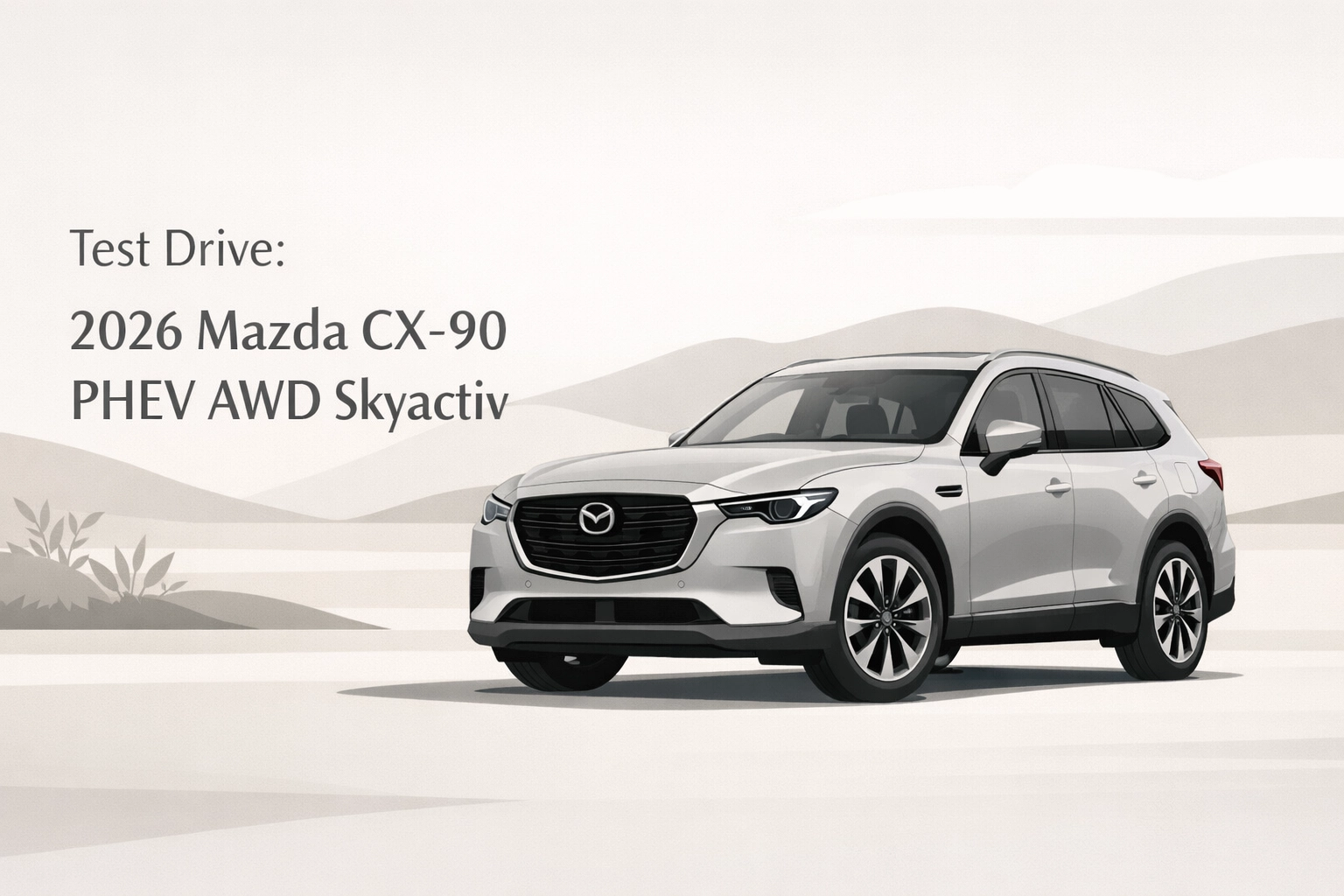
Global Demand for Electric Cars Speeds Up
Electric vehicles (EVs) aren’t just an environmental statement anymore—they’re a booming market. Demand has surged as more drivers recognize the benefits of low operating costs, smoother rides, and zero tailpipe emissions. At the same time, environmental concerns push cities and countries to act on climate change, making electric cars an essential part of a cleaner future.
Moreover, EVs appeal to both cost-conscious buyers and tech-savvy consumers. With advanced features, lower maintenance, and rising fuel prices, the shift makes economic sense. As automakers release new models, people have more options than ever before. Because of this, EV adoption is spreading from early adopters to mainstream drivers in record time.
Sales Jump in Major Markets
According to the International Energy Agency (IEA), over 3 million electric cars were on the road by the end of 2017—a jump of more than 50% compared to 2016. China led the way, with strong government support and consumer incentives accelerating growth. Similarly, Europe and the United States saw robust sales, fueled by stricter emission rules and a desire to reduce oil dependence.
Meanwhile, emerging markets are beginning to catch on. Governments everywhere are rolling out incentives to encourage adoption and reduce urban air pollution. Because these trends show no signs of slowing, analysts expect continued double-digit growth in EV sales in the coming years. For the latest data, check out IEA Global EV Outlook.
Automakers Invest Heavily in Electric
Traditional automakers refuse to sit on the sidelines. Companies like General Motors, Nissan, and Volkswagen are investing billions to expand their electric lineups. Even luxury brands like Audi, Jaguar, and Porsche are betting on an electric future. They understand that consumers want better range, faster charging, and competitive prices—all of which make EVs more appealing.
Furthermore, these companies are racing to claim market share before competitors dominate. Because the technology keeps improving, they can now offer models for a range of budgets and lifestyles. New entrants, including startups like Rivian and Lucid, also push the industry to innovate faster. For an industry overview, see Bloomberg NEF.
Battery Costs Keep Dropping
One of the biggest drivers of EV adoption is the dramatic fall in battery prices. Over the last decade, lithium-ion battery costs have dropped by more than 80%, making electric cars far more affordable. As battery prices continue to decline, automakers can build longer-range, lower-cost EVs for mass-market appeal.
At the same time, research focuses on improving energy density, charging speed, and lifespan. Because these improvements reduce range anxiety and operating costs, they address some of the main barriers for buyers. As a result, consumers are more confident in switching to electric vehicles. This shift will continue to reshape transportation for decades.
Policy Support Boosts Adoption
Government policies are crucial in driving demand for electric cars. Many countries offer tax credits, rebates, or other incentives to make EVs more accessible. Cities are also introducing low-emission zones or banning older fossil-fuel vehicles to improve air quality, which pushes drivers toward cleaner alternatives.


Moreover, national governments have announced plans to phase out internal combustion engines within decades. For example, the UK and France aim to ban new gasoline and diesel cars by 2035. Because these commitments signal a clear shift in policy, automakers and consumers alike are preparing for an electric future.
Charging Infrastructure Expands
Charging networks are growing quickly to keep pace with rising demand. Companies such as Tesla, ChargePoint, and Electrify America are installing thousands of public chargers, including high-speed options along highways. As a result, drivers can plan long trips with fewer worries about running out of power.
In addition, governments and utilities are investing heavily in public and home charging. Because easy access to charging is critical for adoption, these investments reduce a major barrier for consumers. As the network expands, owning an EV will become just as convenient as owning a gas-powered car.
Cleaner Grid Makes EVs Greener
While EVs have no tailpipe emissions, their environmental benefit depends on the electricity grid. As more renewable energy sources like wind, solar, and hydro come online, the carbon footprint of electric driving keeps shrinking. Therefore, a cleaner grid means cleaner transportation.
Furthermore, the synergy between renewable energy and EVs can help balance the grid. EVs can store excess power during peak generation and feed it back during high demand. Because of this, EV adoption also supports broader clean energy goals and helps fight climate change in multiple ways.
The Road Ahead
The electric car revolution is only beginning. Analysts project that EV sales will make up a large share of new car sales within the next decade. Automakers, governments, and consumers are all pushing in the same direction because they recognize the urgent need for cleaner transportation options.
Ultimately, this shift promises not only environmental benefits but also economic opportunity. New industries, jobs, and technologies will emerge to support electrification. As the world accelerates toward an electric future, the benefits will ripple through every sector of society—creating cleaner air, reducing emissions, and reshaping how we move.
Outside sources for further reading:
✅ BloombergNEF Electric Vehicle Outlook
BY DEE-ANN DURBIN, ASSOCIATED PRESS


BUSINESS Posted August 11, 2017 Updated August 11, 2017