
From Parachutes to Kimonos: Why Deborah Lindquist is the Green Queen of Upcycled Fashion
My buddy Green Eco Deborah Fashion Queen. But listen, we talk a lot about home solar power and driving the latest Hyundai Sonata Hybrid around here. However, there is another massive part of our footprint that often gets swept under the rug, literally. I’m talking about fashion. Consequently, when I see someone doing it right, I have to shout it from the rooftops. That person is Green Deborah Fashion extraordinaire Lindquist.
People call her the “Green Queen,” and honestly, the title is well-earned. She isn’t just jump-starting a trend; she’s been pioneering eco-conscious fashion for over 38 years. Furthermore, her latest drop is nothing short of legendary. From military parachutes to vintage kimonos, Deborah is proving that “waste” is just a lack of imagination.
The Parachute Pivot
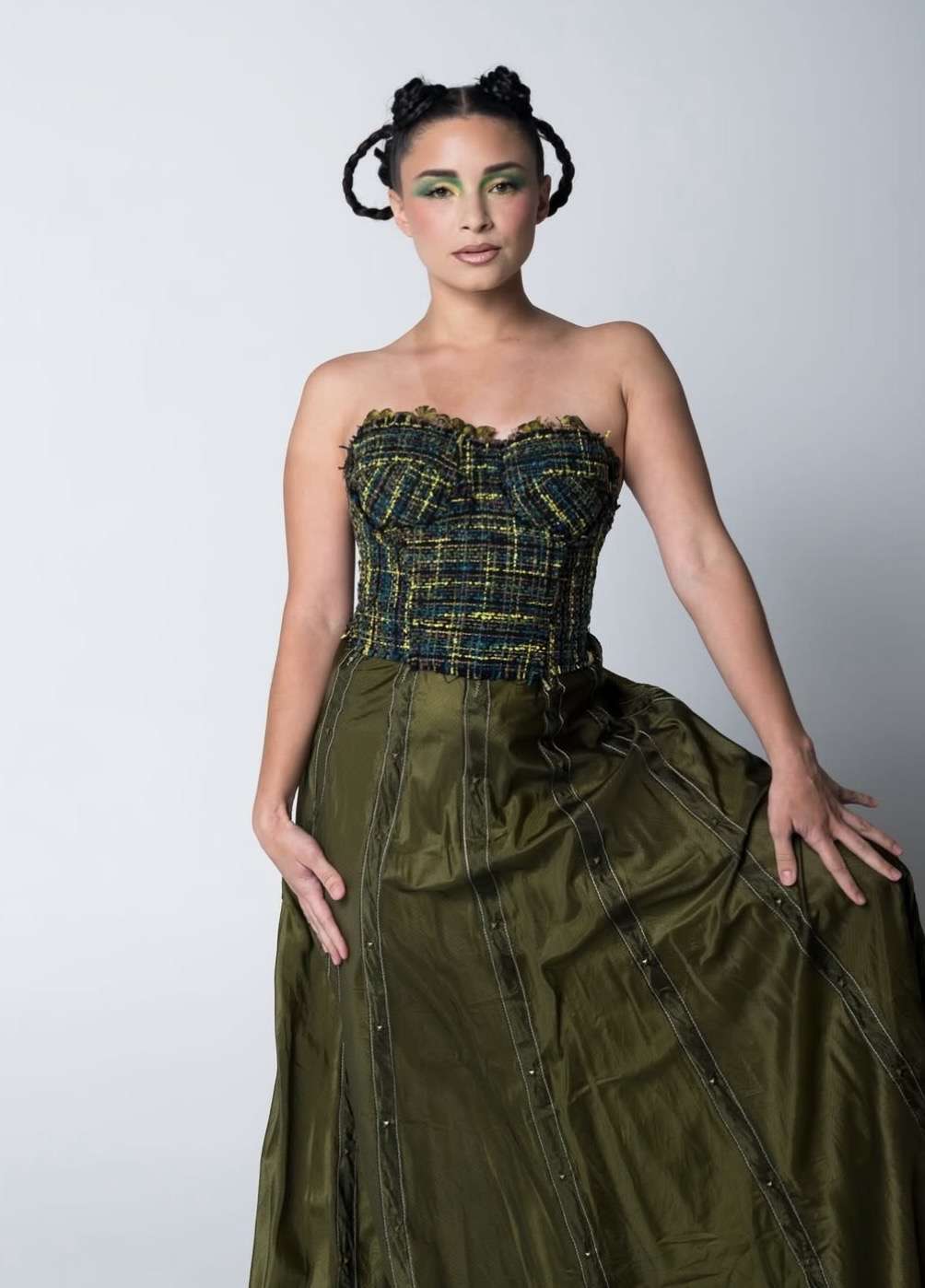
First off, let’s talk about the skirts. Deborah is currently working with retired military parachutes. Now, think about that for a second. These are materials designed to withstand extreme pressure and high altitudes. Usually, they would end up sitting in a warehouse or a landfill for a thousand years. Instead, she’s turning them into high-fashion skirts that look like they belong on a runway in Paris.

Using parachute silk or nylon is brilliant because it’s incredibly durable. Moreover, it carries a history. Every stitch tells a story of utility and survival. To clarify, Deborah transforms this rugged history into something soft, flowing, and absolutely stunning. It’s the ultimate example of upcycling. Instead of creating new plastic-based fabrics, she is rescuing what already exists.
Kimonos and Tweed: The Bustier Remix
Next up, we have the bustiers. If you follow her on Instagram, you probably saw the vintage kimono bustier. It is a total showstopper. Kimonos are pieces of art, but often, vintage ones might have a small stain or a tear that makes them “unwearable” in their traditional form. Deborah doesn’t care. She sees the intricate silk patterns and breathes new life into them.
Similarly, she’s rocking a vintage tweed bustier. Tweed is classic, but it can feel heavy or dated if not handled correctly. By turning it into a structured bustier, she makes it edgy and modern. It’s a vibe that says, “I care about the planet, but I also look incredible.” This is exactly why her work resonates. It isn’t just “green”, it’s high design.
Reincarnated Cashmere and Shamrock Vibes
If you’ve been following the Green Living Guy for a while, you know I love a good story of reincarnation. Deborah is famous for her “reincarnated cashmere.” Basically, she takes cashmere sweaters that have moth holes or damage and works her magic.
In her latest showcase, she featured vintage cashmere shamrock fingerless gloves. They are whimsical and cozy. Additionally, she paired them with a ruffle sleeve shrug, also made of cashmere. Because cashmere is a high-value natural fiber, throwing it away is a tragedy. Deborah saves these fibers and turns them into something luxury-tier.

Actually, her process involves hand-drawn appliqués to cover up any imperfections in the original fabric. This means every single piece is a one-of-a-kind original. You aren’t just buying a shrug; you’re buying a piece of handcrafted art that diverted waste from a landfill.
The Accessory Game: Bucket Hat #14
We can’t forget the accessories. Bucket hats have made a huge comeback in the last few years. However, most of them are mass-produced in factories with questionable labor practices. Not Deborah’s.
She’s introduced “Bucket Hat #14,” which is made of vintage textiles. It’s quirky, functional, and completely sustainable. It perfectly rounds out an outfit made entirely of upcycled materials. Speaking of outfits, let’s clear one thing up. There was a beautiful yellow dress in the group photo she shared recently. To clarify, Deborah mentioned that the yellow dress is not her creation. She’s honest like that. She sticks to her upcycled masterpieces and gives credit where it’s due.
Why Upcycling is the Future of Fashion
So, why does this matter to us? Well, the fashion industry is one of the biggest polluters on the planet. Indeed, the amount of water and chemicals used to create new textiles is staggering. By choosing upcycled fashion, you are essentially “voting” for a cleaner planet.

When we talk about environmental sustainability, we have to look at the whole picture. It’s great to have a smart home, but what are you wearing while you’re sitting in it? Supporting designers like Deborah Lindquist is a major “green living tip” because it keeps local economies alive and keeps waste out of the system.
Green Deborah Fashion Living Tips for Your Wardrobe
If you want to start living like the Green Queen herself, here are a few ways to get started:
- Shop Your Own Closet First: Before buying something new, see if you can repair or “remix” what you have.
- Support Local Eco-Designers: Designers like Deborah Lindquist put heart and soul into their work. It’s better to have one high-quality upcycled piece than ten cheap fast-fashion items.
- Learn Basic Mending: If a sweater gets a hole, don’t toss it! Try a decorative patch. It adds character.
- Look for Natural Fibers: When you do buy, look for cashmere, wool, or organic cotton. These are easier to upcycle later.
- Check the Labels: If a brand doesn’t mention sustainability, they probably aren’t practicing it.

The Big Picture
At the end of the day, green living is about mindfulness. It’s about realizing that everything we own came from somewhere and will eventually go somewhere. Green Deborah Fashion Lindquist makes that “somewhere” a much more beautiful place. She takes the forgotten, the parachutes, the old kimonos, the discarded tweed, and makes them the stars of the show.
Consequently, she’s not just a designer; she’s an environmentalist with a sewing machine. That is a combination I can always get behind. If you want to dive deeper into how we’re tracking green tech and lifestyle changes this year, check out our news sitemap for the latest updates.
Actually, the next time you think about buying a new outfit, ask yourself: “Could this have been a parachute?” If the answer is no, maybe check out what the Green Deborah Fashion Queen is up to first.
Green Deborah Fashion: Stay green, stay stylish, and keep upcycling!
All Image Sources: Deborah Lindquist
Sources and Further Reading:
