
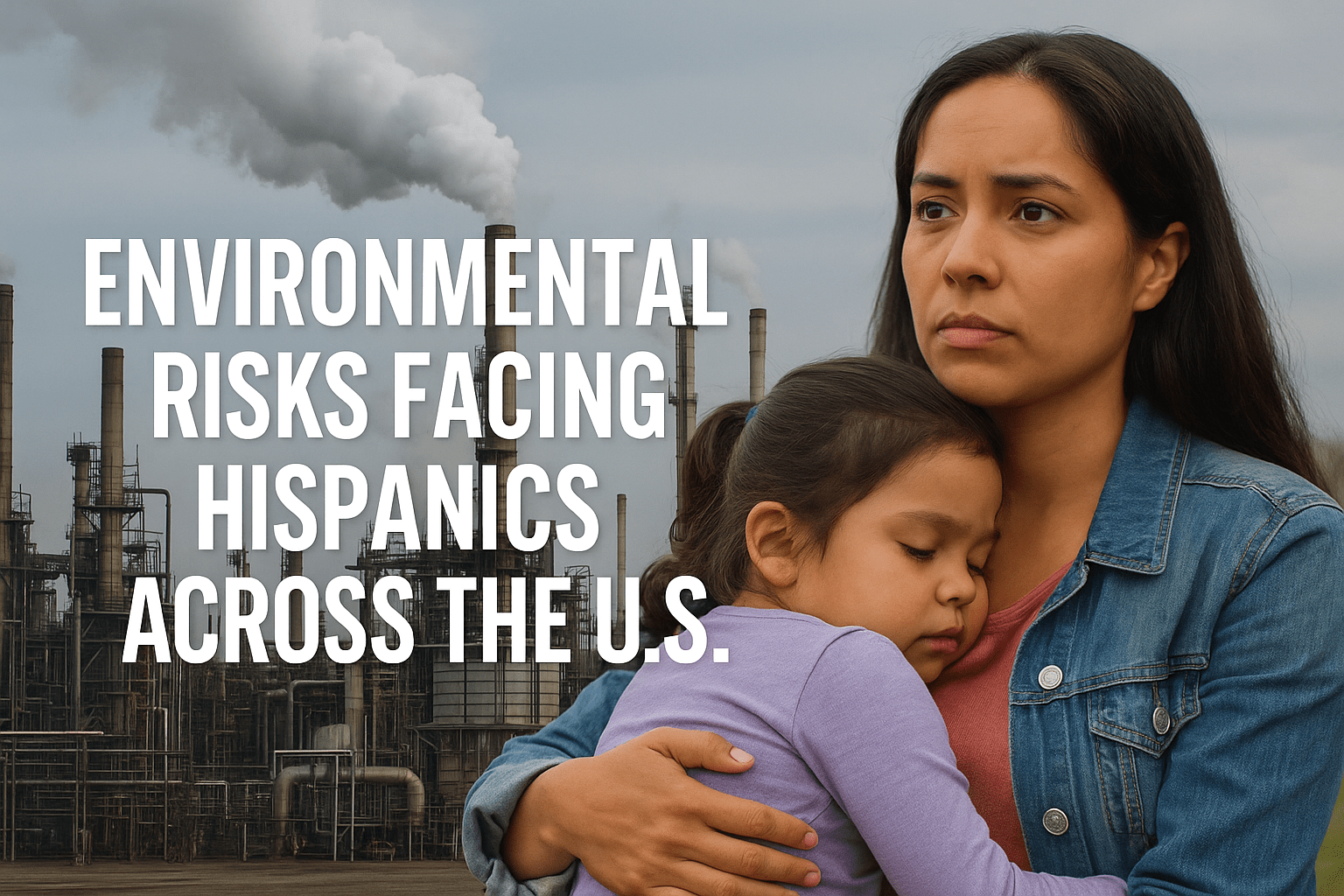
Congress Debates EPA Findings on Environmental Risks Facing U.S. Hispanic Communities
A Spotlight on Unequal Exposure
In a heated debate on Capitol Hill, Congress confronted new data from the Environmental Protection Agency (EPA) showing that Latino communities face disproportionately high environmental health risks across the United States. The report revealed what many advocates already knew: race and income often determine the level of pollution you breathe — and how often you get sick because of it.

The Facts Speak Loudly
According to the EPA, Hispanic communities are more likely to live near highways, industrial zones, and agricultural operations — areas often marked by higher air and water pollution. This exposure puts them at greater risk for asthma, cardiovascular problems, and other pollution-related illnesses.
But the real shock? Many of these same communities lack adequate access to medical care, environmental education, or political leverage to demand change. The result is a toxic mix of vulnerability and silence.
Environmental Justice Takes Center Stage
The report’s timing is no accident. At a moment when lawmakers are debating major rollbacks to EPA authority, the findings serve as a powerful reminder that pollution isn’t just an environmental issue — it’s a public health crisis.
Advocates are urging Congress to use the data not as a talking point, but as a catalyst. They’re calling for stronger regulations on industrial emissions, better funding for clean air and water initiatives, and expanded support for frontline communities — especially those historically left out of decision-making.
Who Pays the Price
The environmental justice conversation has often centered around communities of color, but this report places a clearer lens on the Latino population. Whether it’s pesticides in farm country or exhaust in urban corridors, Latinos frequently live and work in high-exposure areas. They also tend to be underrepresented in environmental policymaking circles.
The Takeaway
This isn’t just about pollution. It’s about who bears the burden — and who has the power to fix it. The EPA’s report is a wake-up call: if we want a cleaner, healthier country, we have to protect those who’ve been living with the damage the longest.
Source: EPA
