
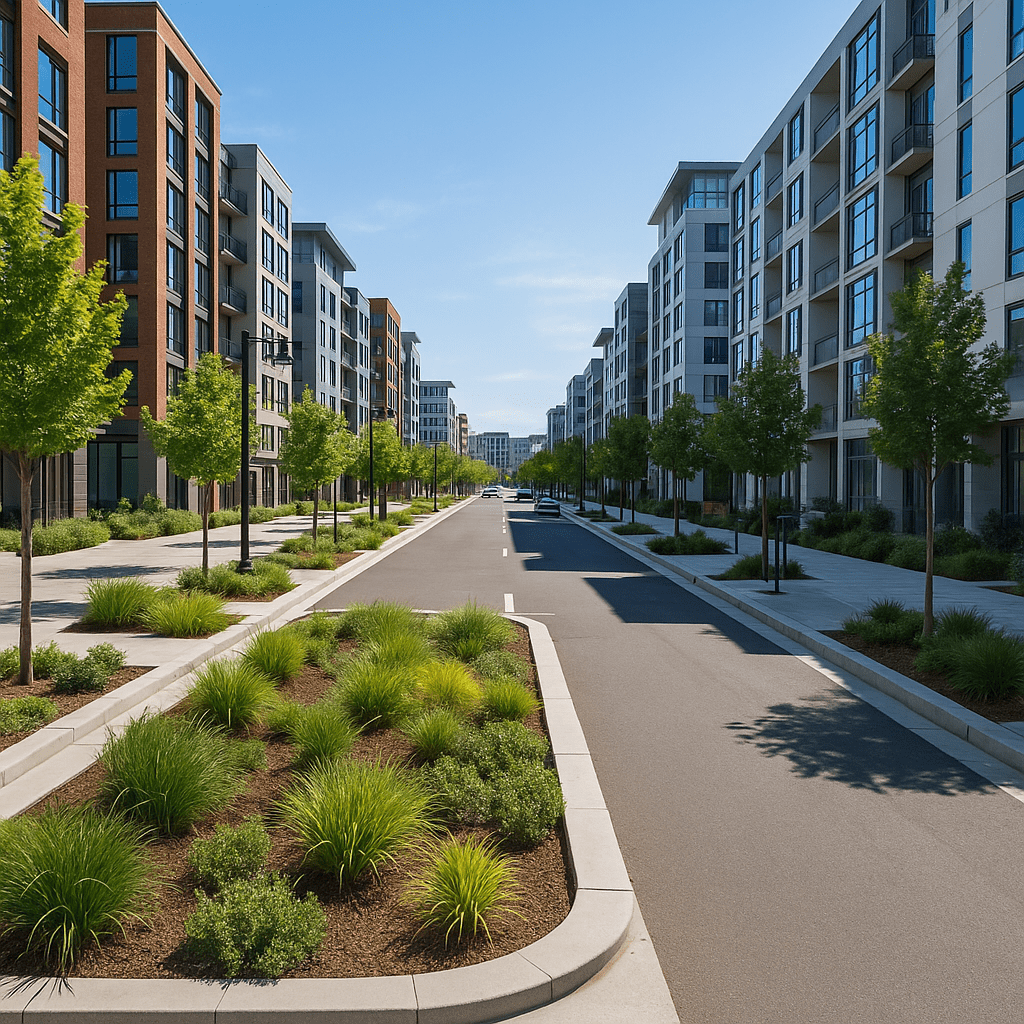
Bay City Invests in Green Infrastructure at Mission Bay
San Francisco the Bay City is expanding its commitment to sustainable urban development with a major new green infrastructure project in the Mission Bay neighborhood. The city is combining federal stimulus dollars with private funding to build a network of eco-friendly features that manage stormwater, reduce pollution, and beautify the growing community.
Mission Bay, once an industrial zone, has rapidly transformed into a modern neighborhood with housing, offices, and a major hospital complex. But with that growth comes the challenge of managing increased stormwater runoff and protecting nearby waterways from pollution.
Green Streets for Clean Water
To tackle this, San Francisco is installing new “green street” features throughout Mission Bay. These improvements include rain gardens, permeable pavement, and vegetated curb extensions that capture and filter stormwater where it falls. Instead of rushing untreated into sewers and the bay, rainwater will soak into the ground or be slowed and cleaned naturally.
These green streets help reduce flooding, recharge groundwater, and cut the flow of pollutants like oil and heavy metals into San Francisco Bay. By using landscaping and smart design, the city turns ordinary roads and sidewalks into tools for environmental protection.
Funding from Stimulus and Private Partners
This green infrastructure effort wouldn’t be possible without creative financing. Federal stimulus funding provides a crucial boost, supporting jobs and local businesses as the city upgrades its infrastructure.

At the same time, private developers in Mission Bay are investing in these improvements as part of their responsibility to build sustainable, livable neighborhoods. The result is a true public-private partnership that delivers long-term environmental benefits while supporting economic recovery.
A Model for Sustainable Urban Growth by Bay City Green Infrastructure
Mission Bay’s green streets project is part of San Francisco’s larger strategy to make the city more resilient and environmentally friendly. By rethinking how streets and sidewalks function, the city reduces its environmental footprint and improves quality of life for residents.
As climate change intensifies storm events and strains urban infrastructure, projects like this offer a practical model for cities everywhere. Green infrastructure provides cost-effective, natural solutions that work with the environment rather than against it.
Building Healthier Communities
Beyond technical benefits, these green features create more attractive, walkable neighborhoods. Tree-lined streets and rain gardens bring nature into the city, offering shade, habitat, and beauty. They make walking and cycling more pleasant, encourage social interaction, and support public health.
San Francisco’s Mission Bay project shows how cities can invest in infrastructure that is both functional and beautiful. By combining environmental goals with community needs, the city is creating a healthier, more sustainable future for everyone.
Redevelopment Agency Executive Director Tiffany Bohee said that “these projects showcase the Redevelopment Agency’s commitment to promoting local hiring practices and providing needed parks and infrastructure to support Mission Bay, the City’s newest emerging neighborhood.”
