
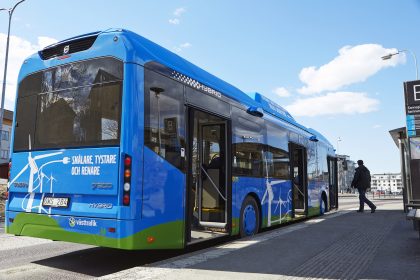
Global agreement combines Volvo electric and electric hybrid buses with ABB fast-charging solutions, paving the way for rapid deployment of urban e-mobility
Zurich, Switzerland – July 21, 2014 – ABB, the leading power and automation group known for its innovative solutions, announced today a significant partnership with Volvo Buses, one of the world’s leading bus manufacturers renowned for its commitment to sustainability and quality. This strategic collaboration aims to leverage the expertise of both companies to co-develop and commercialize a new line of electric and hybrid buses, including the Volvo ABB Electric Bus. It will also integrate open standards-based direct current (DC) fast charging systems that provide efficient and timely recharging options.
By combining ABB’s cutting-edge technology in power systems with Volvo Buses’ extensive engineering capabilities and market reach, the partnership seeks to set new industry standards. Also, it aims to contribute to a cleaner, greener urban transportation landscape. As cities worldwide strive to reduce their carbon footprint and improve air quality, this initiative is expected to play a pivotal role. In particular, it will promote the transition towards sustainable public transport solutions.

The cooperation creates a city-wide standardized charging system for electric and electric hybrid buses. It can charge buses quickly through an automatic roof-top connection system at bus stops. Alternatively, buses can be charged through cabled charging systems overnight.
Volvo electric-hybrid bus
This approach, based on internationally accepted standards, enables maximum re-use of existing e-mobility technologies. As a result, it ensures a rapid deployment of urban e-mobility. The first joint project for Luxembourg’s public transportation system is planned for 2015.
Volvo’s new Electric Hybrid bus, an innovative solution in public transportation, significantly reduces fuel consumption by an impressive 75 percent compared to conventional diesel buses. This result showcases remarkable advancements in green technology. This cutting-edge vehicle is designed not only to provide a more sustainable alternative for urban travel but also to contribute to reducing overall emissions. As a result, it improves air quality in cities. The highly anticipated debut at the IAA exhibition in Hannover, Germany, in September attracted considerable attention from industry professionals and the public alike. This event highlighted the growing interest in eco-friendly transit solutions and set a new standard for future developments in the automotive industry.
ABB and Volvo will contribute with their respective expertise in power grids and e-buses. They aim to further develop e-bus fast-charging standards, such as communications protocols for infrastructure, electrical grids and e-buses.
ABB and Volvo form global partnership for electric and hybrid bus fast-charging
An electric-bus charging standard builds on the recently adopted global DC fast charging standards for passenger cars. This aligns both types of electric vehicle technology. Furthermore, it ensures safety and boosts investment, long-term commitment, and increased adoption of clean mobility solutions. By establishing a common framework, stakeholders—like manufacturers, governments, and infrastructure developers—can work together easily. They create a robust charging network that supports the growing number of electric buses. Additionally, standardizing charging systems promotes innovative technologies and enhances user convenience. It also motivates more public and private entities to invest in sustainable transportation initiatives. Ultimately, this leads to a cleaner and more efficient urban environment.
ABB Collaboration
“We are very pleased to partner with a global transportation industry leader that shares our vision of e-mobility in line with ABB’s commitment of power and productivity for a better world,” said Pekka Tiitinen, head of ABB’s Discrete Automation and Motion division. He emphasized the importance of collaboration in fostering innovative solutions that cater to the evolving needs of urban centers. “Urbanization is at a historic high and is stretching transport infrastructure of cities around the world, presenting both challenges and opportunities. Our collaboration will help support sustainable and cost-efficient transportation solutions to meet rising commuter demand, ultimately enhancing the quality of life for residents and encouraging a greener future. Together, we can pave the way towards smarter cities, where technology and sustainable practices align to create a harmonious urban environment.”
Volvo electric-hybrid bus, rear
The partnership is focused squarely on the standardization of automatic e-bus fast charging, which plays a crucial role in the evolving landscape of urban transportation. This includes not only the communications protocol between the infrastructure charging solution and the e-bus. It ensures seamless interaction and data exchange. Furthermore, it involves the electrical interface that guarantees efficient energy transfer. Moreover, detailed specifications for the rooftop automatic connection system (ACS) are being developed. These specifications facilitate user-friendly operation and enhance safety. By addressing these critical aspects, the collaboration aims to make e-bus charging more efficient and accessible. Ultimately, this contributes to a broader adoption of electric public transport solutions. These solutions can reduce urban emissions and promote sustainability.

Volvo Partnership
“We are delighted to enter into partnership with ABB. Together, we have a complete and competitive offer to cities around the world that want to switch to a sustainable public transport system,” said Håkan Agnevall, President Volvo Buses. “Electric hybrid buses and full-electric buses are tomorrow’s solution for urban public transport.”
Volvo Buses
Volvo Buses launched its first hybrid bus in 2009 and has delivered nearly 1,600 hybrids to 21 countries. Its first fully electric bus will be launched in June 2015 as part of the ElectriCity project in Gothenburg, Sweden.
ABB delivers over 1,500 DC fast charging systems for passenger vehicles worldwide since 2010. It establishes itself as a leader in the electric vehicle infrastructure market. The company actively rolls out charging networks for various clients. These clients include automotive manufacturers, utility providers, government agencies, and retail businesses. They aim to enhance their customer offerings. This initiative shows ABB’s commitment to electric mobility. It also extends to developing nationwide networks in progressive nations like the Netherlands, Estonia, and Denmark. In these countries, sustainable transportation solutions take priority. Through these actions, ABB paves the way for a greener future. It ensures reliable charging options for all electric vehicle owners. Consequently, this fosters the adoption and usage of clean energy vehicles worldwide.

First Joint Project
The first joint project will be the implementation of Volvo Electric Hybrids and ABB’s automatic e-bus chargers in the Luxembourg public transport system. This ambitious initiative aims not only to reduce emissions but also to enhance the overall efficiency of public transport within the city, making it a more sustainable choice for residents. As many as 12 Volvo Electric Hybrid buses operated by Sales-Lentz will be running on existing lines by 2015. These buses will provide a cleaner and quieter alternative to traditional diesel-powered buses. This is expected to significantly improve air quality in urban areas. The introduction of these state-of-the-art e-bus chargers will ensure that the fleet remains charged and ready for operation. Thus, it will facilitate a seamless transition towards greener public transport solutions.
The project integrates into Luxembourg’s Mobility Network. It acts as a vital conduit. Various innovative mobility projects link across western Europe. This strategy leverages synergies and boosts efficiency. It creates a comprehensive framework for collaboration. This framework fosters connections among different transportation modes. Public transit, cycling, and electric vehicles all play a role. Additionally, the project offers a platform for coordination. It aims to develop common visions for the future of mobility. Thus, it ensures sustainable and user-friendly solutions. These solutions meet the evolving needs of citizens. They also address critical challenges like climate change and urban congestion. Ultimately, this initiative paves the way for a more interconnected transportation landscape in Luxembourg and beyond.
