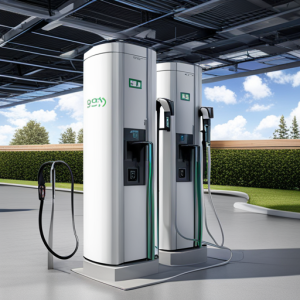
We need to talk EV charging energy. For the
electrification of vehicles is taking the world by storm. Now we talk EV charging
energy. For more end users are looking to optimize their purchase of their vehicles.

Electric vehicles (EVs) are reliant on energy. Ya know: from the electric grid. All being fueled by charging stations. Especially the level 2 charging which can also be installed at home.
Especially at public charging stations. Like the ones I worked on with NYPA,
NYSERDA, Sustainable Westchester and Sustainable Hudson Valley. For they are now becoming more easily accessible. Especially in municipal areas.

Here’s
Mercedes-Benz to launch global branded high-power charging network. The Mercedes-Benz charging hubs will be located in
key cities and urban population centers. Those close to major arteries. Also, convenient retail and service destinations. I mean including Mercedes-Benz dealership sites.
Charging these vehicles is an integral part of adopting the movement towards
EVs. Thereby making it essential to consider ways to
increase efficiency and effectiveness in this process. Battery energy
storage systems combined with solar or small scale wind (Microgrid) are a way. Especially of providing support to
existing charging infrastructures. During peak hours, when electricity demand is high is MG time.

For those microgrids provide additional
power to charging stations. This ensures stable charging. Especially without overloading the grid. Thereby
preventing disruptions and optimizing the overall charging experience.
BESS. Battery Energy Storage Systems
In addition, the technologies of BESS and EVs go hand in hand. That’s in revolutionizing the automotive sector. Because it’s providing resiliency and future-proof solutions. Most noteworthy and to the energy industry.
EVs are drawing power from the grid. So EVs must be reliant on other energy structures: not the grid. With BESS, electricity becomes stabilized in the grid. Especially by absorbing and supplying energy when required. For it’s to create a balance during periods of fluctuating demand. By adjusting the flow of electricity, BESS helps stabilize the grid. Thereby reducing the risk of blackouts. Then you’re also improving the reliability of the electric power system. This means that the aid of an energy
storage system will create a more reliable source of power for EVs.
So EV charging with BESS technology. It makes the charging process for EVs becomes more cost effective. Moreover, environmentally friendly for end users. With time-shifting and load balancing. Then renewable energy can be stored for later usage. All which optimizes
energy and creates a backup storage solution. Most importantly, during power outages. It can store surplus renewable
energy generated during periods of high production.
Conclusion
So it’s
solar to energy storage and discharge it later. Especially when needed for EV charging. This allows for
optimal utilization of clean energy. Thereby maximizing its value. Finally and reducing reliance on fossil fuel-based power sources. Load balancing capabilities of BESS further help distribute the electricity demand evenly. Again, thereby avoiding spikes in consumption and optimizing the
efficiency of the overall energy system.

Overall, incorporating a BESS system with an
EV charging port is a sure way of managing energy. Especially to optimize it for users.
By providing the proper charging support, BESS can stabilize the grid. Also, create time-shifting and load balancing. In addition, become more reliable with a backup power supply.
TROES is a firm focused on delivering revolutionary energy storage systems to their clients. One that helps to make these solutions available to the new wave of consumers within the EV market.