Essential Conservation Tips for a Sustainable Future
Looking to protect the planet? Start with simple changes. These essential conservation tips will help you save resources, cut waste, and lower your impact—right now.
Every action matters. Whether you’re reducing water use, conserving energy, or shopping smarter, it all adds up. And the best part? You don’t need to overhaul your life to live more sustainably.
Use these practical tips to make a real difference—at home, at work, and everywhere in between. Because a cleaner, greener future starts with what you do today.
Save Water plus recycling
Save Trees and Water
Since trees and water are both a natural resource with a limited supply. So it is imperative that we practice water conservation. Especially if we want to keep the quality of our environment and reduce the severity of the effects of drought. Take quick showers. As you are washing the dishes, you should turn off the flowing water from the faucet. While flushing, try not to waste an excessive amount of water. It takes a significant effort and resources to bring fresh and clean water to your home. We strongly suggest you refrain from wasting this valuable resource. Make intelligent use of it.
Keep in Ground
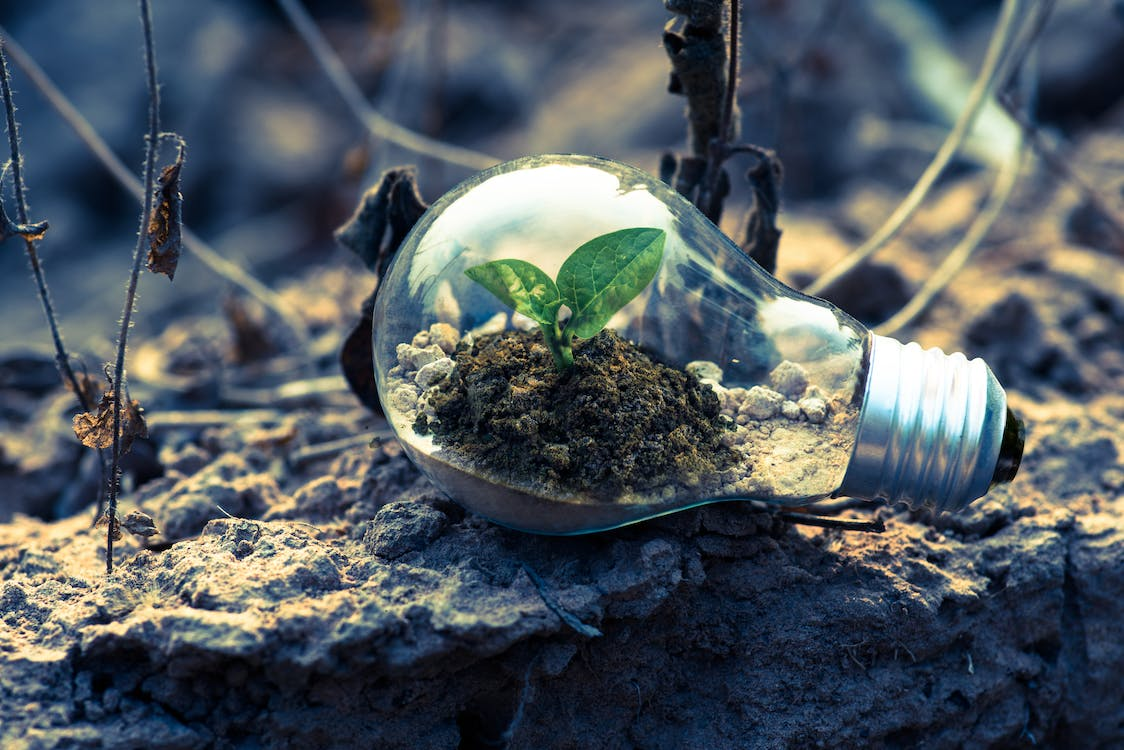
Water Tree recycling provides essential ecosystem services. They are the world’s largest plants. As such, they sustain life by producing oxygen, sequestering carbon, balancing soil, and providing food and shelter for animals. Forests, rainforests, and urban trees in places like parks must be protected and properly maintained on a global scale. When it comes to tree and watering maintenance. You must conduct research on general tree care. Still, you will need to know the specifics about each species. The cost of the necessary tools will add up quickly. This is where full-service tree care agencies can be of great help. Additionally, enhancing your trees’ vitality and aesthetic appeal. Because arborists have the specialized knowledge to assess the value of your trees and watering schedules. Moreover, they have the insurance or other financial considerations.
Quitting smoking
Smoking is one of the primary contributors to air pollution. The used cigarette parts that are thrown away end up littering the streets. They also pollute the water supply. When you smoke in enclosed spaces, you put your own health at risk. You also put the health of others around you at risk. If you want to live a longer and better life, consider quitting the habit. Quitting will also help protect the environment from the harmful chemicals included in cigarettes.
Using reusable bags
Tossed plastic shopping bags pollute landfills and other elements of the ecosystem. Ingestion or entrapment poses a risk of suffocation for animals. Bags also take a long time to degrade. Use a reusable bag whenever you go shopping, whether it’s for groceries, clothing, or books. This helps reduce trash and stops animals from consuming it. Some retailers even offer money off for using your own bag.
Recycling
Although recycling is easy to do, not everyone does it. You can start recycling right away. Contact the business that handles your trash. See if they offer any recycling services. Get a container and place it free of charge beside your regular garbage cans.
Finding recycling bins next to garbage cans is another choice. Get in the habit of finding recycling cans around campus. Use them instead of tossing recyclables in with the regular garbage.
Secondhand shopping
Did you know that over 700 gallons of water are needed to cultivate the cotton? This amount is needed just to produce a single, basic t-shirt.
Shop at a secondhand store or a recycling / vintage boutique before hitting the mall. I mean or swap clothing with friends. Repurposing and recycling items from your existing wardrobe. It’s a great way to give them a new lease of life. This approach avoids wasting the natural resources needed to create brand-new garments.
Besides clothing, electronics, and vehicles, many other types of consumer items can be purchased secondhand.
Using less chemicals
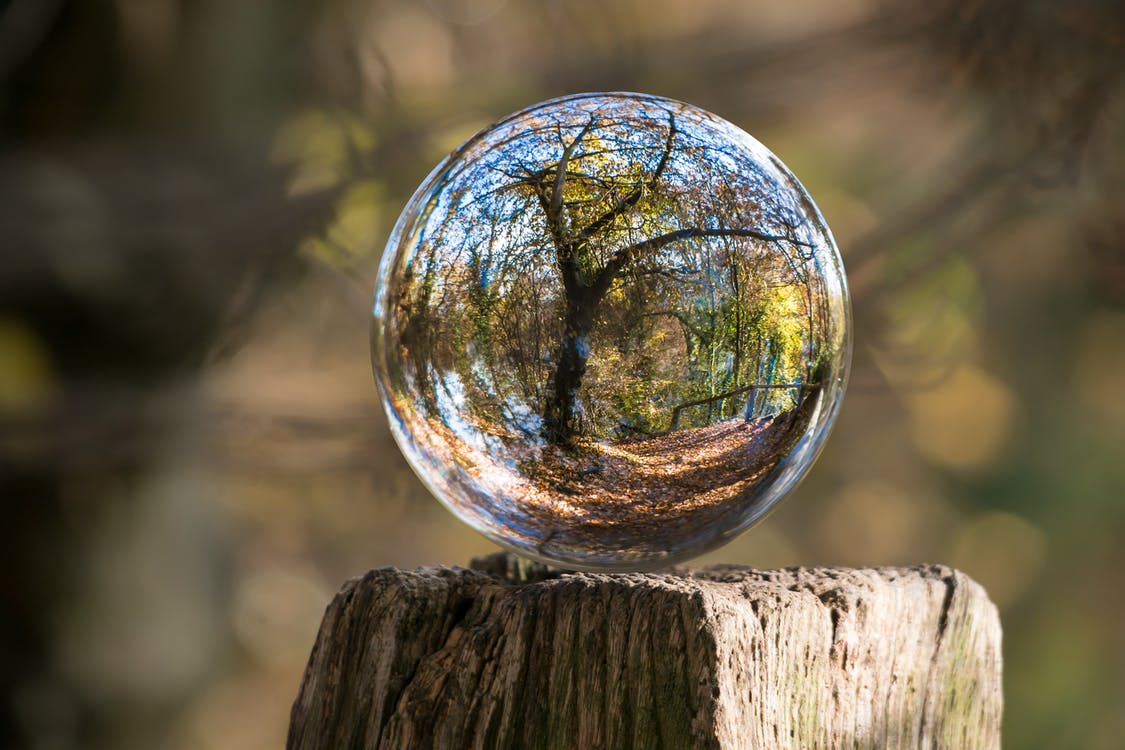
Reduce your reliance on dangerous substances, and you’ll be making progress. It’s advisable to avoid chemicals if you can since their detrimental effects on humans and the environment are unclear. For a greener and healthier home, try organic produce, pesticide-free grass and plants, natural cleaning products, and beauty aids. The Earth will be eternally grateful to you!
More Essential Conservation Tips: Saving electricity
Saving power is always good for the environment. Make an effort to reduce your household’s energy use by trying any of these simple tips:
- Switch from incandescent to compact fluorescent or light-emitting diode bulbs.
- Use electrical devices that automatically shut off when they are not in use by plugging them into smart power strips.
- Put in a smart or programmed thermostat.
- Keep your HVAC (heating, ventilation, air-conditioning) system in good working order.
- Whenever possible, choose an Energy Star-approved appliance.
- Close any cracks around your windows and doors to prevent air loss.
- Consider solar energy
Pollution has already had devastating effects on our planet. It is imperative that we all do what we can to restore its health. By adopting these recommendations, each of us can play a small role. This role is vital for preserving the health of our planet.
The Bottom Line: Essential Conservation Tips Starts With You
You have more power than you think. By using these essential conservation tips, you’re not just saving money—you’re protecting our planet. Every step counts. From turning off lights to reusing materials, your choices create change.
So don’t wait. Start small. Stay consistent. Inspire others.
Together, our everyday actions can shape a cleaner, more sustainable future for everyone.