
Tech Giants Enter the EV Space: Xiaomi and Sony Afeela
The automotive world is currently undergoing a massive transformation with tech giants entering the EV space: Xiaomi and Sony Afeela. For decades, we relied on legacy car markers to lead the way. However, the shift to electric vehicles (EVs) has opened the door for tech giants to step in. Companies like Xiaomi and Sony Afeela / Honda partnership promised to redefine what a car actually is. Consequently, we are seeing a battle between Xiaomi and Sony Afeela; as well as traditional hardware and modern software. But as of April 2026, the results are wildly different for these two players.
The Rise of the Smartphone on Wheels: Xiaomi and Sony Afeela
Xiaomi recently proved that a tech company can build a high-performance EV. They launched the SU7, and it immediately shook the market. Because Xiaomi and Sony Afeela understand consumer electronics. Because they treated the car like a giant smartphone. Furthermore, they integrated their entire ecosystem into the vehicle. This means your lights, your phone, and your home appliances all talk to your car.
Initially, skeptics doubted Xiaomi could handle the manufacturing hurdles. Nevertheless, they scaled production rapidly. The SU7 offers impressive range and speed that rivals the best from Tesla. Moreover, the price point made it accessible to a broader audience. Xiaomi’s success highlights how software-first engineering can streamline the driving experience. They didn’t just build a car; they built a mobile living space.

The Shocking Fall of Sony’s Afeela
On the other hand, the story of the Sony and Honda joint venture took a dark turn recently. We all remember the excitement surrounding the Afeela brand. It was supposed to be the ultimate entertainment machine on wheels. With PlayStation 5 integration and Level 3 automated driving, it sounded like the future. However, as of March 2026, the Afeela project has been officially cancelled.
This news sent shockwaves through the green tech industry. Honda decided to reassess its entire electrification strategy. Consequently, they executed a massive write-down of about 2.5 trillion yen. Because Honda stepped back from aggressive expansion, the joint venture lost access to critical assets. Therefore, Sony Honda Mobility announced they have no plans to revive the program. It serves as a stark reminder that even with massive capital, the EV market is incredibly difficult to navigate.
Why Software-First Matters for Sustainability
You might wonder why a “Green Living Guy” cares about software. Well, software determines how efficiently a car uses its battery. Specifically, better code leads to better energy management. When tech giants enter the space, they bring advanced algorithms that optimize power consumption. Therefore, these cars can go further on smaller batteries.
In addition, software-first EVs are easier to update. Instead of buying a new car for new features, you just download an update. This reduces waste and keeps cars on the road longer. Consequently, this “tech-first” approach aligns perfectly with our goals for environmental sustainability. We want products that last and adapt, rather than ending up in a scrapyard after five years.
The Struggle of Legacy Partnerships: Xiaomi and Sony Afeela
The failure of Afeela highlights a major cultural clash. Traditional automakers like Honda move at a different pace than tech companies like Sony. While Sony wanted to push the envelope with gaming and sensors, Honda faced the harsh reality of manufacturing costs. Because the global demand for EVs has shifted, legacy brands are becoming more cautious.
Meanwhile, Xiaomi succeeded because they controlled more of their own destiny. They didn’t just partner; they led the charge. They utilized their existing supply chains to drive down costs. Therefore, they avoided the friction that often kills joint ventures. For more updates on how the market is shifting, check out our latest news.

Comparing the Hardware
When we look at the Xiaomi SU7, the specs are genuinely impressive. It features a sleek design that rivals luxury European brands. Furthermore, the interior is dominated by high-resolution screens and intuitive controls. Xiaomi used their experience in user interface design to make the cockpit feel natural. In contrast, the Afeela prototypes were packed with 40 different sensors, including LiDAR and radars.
Although the Afeela boasted superior tech on paper, it couldn’t reach the finish line. The complexity of integrating Level 3 automation with Sony’s entertainment suite proved too costly. Consequently, the price tag was projected to be nearly $90,000. Most consumers simply weren’t ready for that kind of investment in a new brand. Xiaomi, however, kept their pricing competitive, which allowed them to capture market share quickly.
The Environmental Impact of Tech-Led EVs
Sustainable transport isn’t just about getting rid of gas. It is about how we build the machines of the future. Tech companies often prioritize lighter materials and more efficient manufacturing processes. Because they aren’t tied to old factory layouts, they can innovate faster. Therefore, the carbon footprint of production can actually be lower in some cases.
Furthermore, companies like Xiaomi are exploring better battery recycling programs. Since they already deal with millions of smartphone batteries, they have the infrastructure to handle EV cells. This holistic approach is exactly what we need to see in the industry. For those interested in the visual side of these green innovations, you can explore our image galleries.
Lessons for the Future of Green Mobility: Xiaomi and Sony Afeela
What can we learn from the tale of two tech giants? First, execution is everything. Having a great vision for a “PlayStation car” is fun, but you have to be able to build it affordably. Second, the integration of software and hardware must be seamless. Xiaomi achieved this, while the Sony-Honda partnership struggled with the balance.
Additionally, the market is currently very volatile. Even established players are scaling back. Consequently, new entrants must be agile and well-funded. If you want to see more about the evolution of these vehicles, our video section has some great deep dives. The road to a green future isn’t a straight line; it’s full of turns and occasional dead ends.

The Competition Heating Up
While Afeela has exited the stage, other companies are still watching closely. Apple famously scrapped their car project years ago, and now Sony has followed suit. This leaves Xiaomi in a unique position. They are now the primary example of how a tech company can beat car companies at their own game.
However, they aren’t alone. Other regional tech players are attempting similar feats. Because the barrier to entry is so high, we might see more partnerships rather than solo ventures. But as we’ve seen, those partnerships are fragile. Therefore, the next few years will be a test of endurance for anyone trying to disrupt the status quo.
Final Thoughts on Tech in the EV Space
I believe that the entrance of tech giants is ultimately a good thing for the planet. They bring fresh eyes to old problems. Even if some projects fail, the innovations they leave behind push the entire industry forward. For instance, the sensor technology developed for Afeela will likely find its way into other vehicles eventually.
Consequently, we should remain optimistic but realistic. Building a car is hard. Building a sustainable, software-driven EV is even harder. Xiaomi has set a high bar, and I can’t wait to see who tries to jump over it next. Stay tuned to Green Living Guy for more updates on how tech is changing our world for the better.
Why Consumers Are Choosing Tech Brands
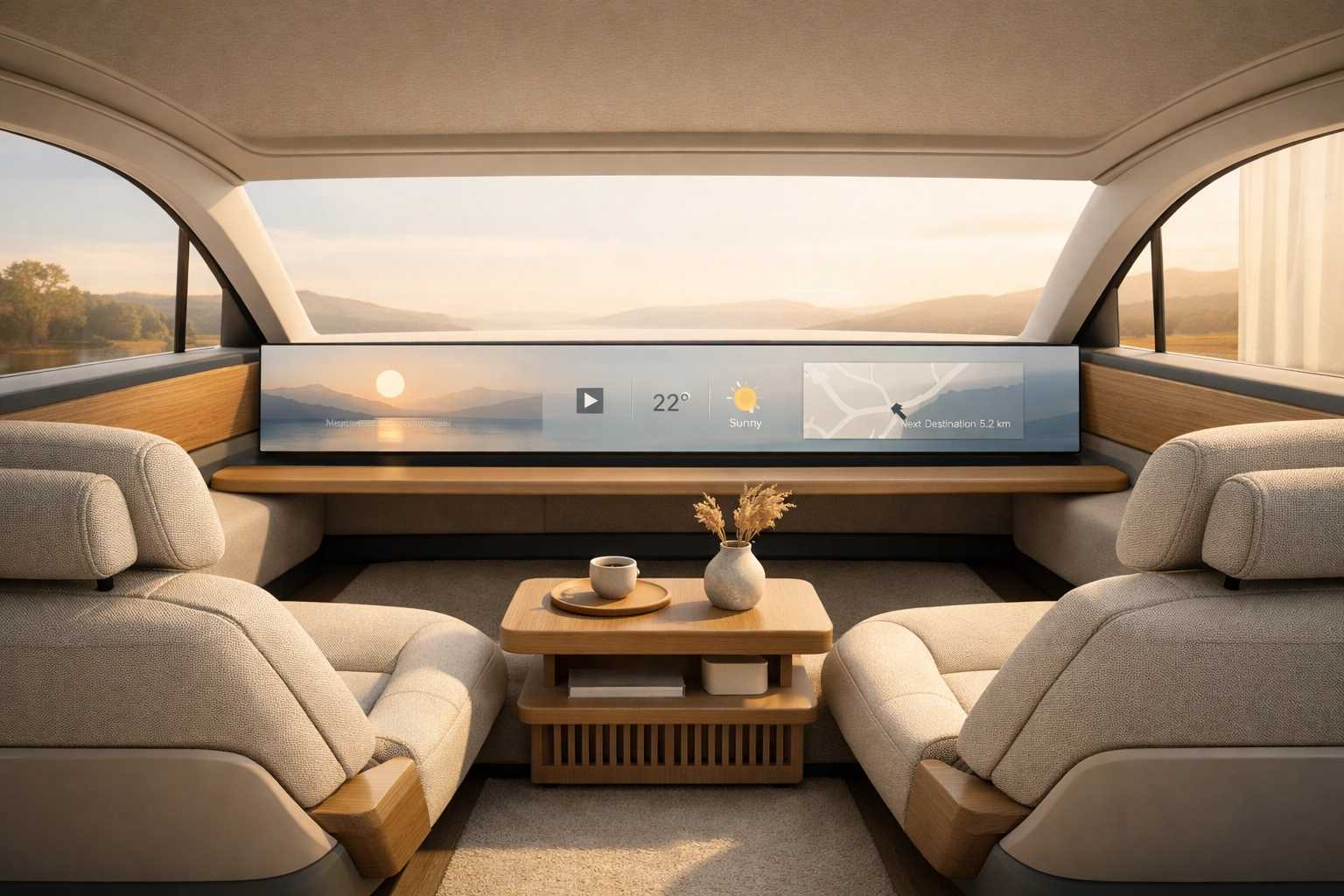
People today want more than just a way to get from point A to point B. They want a device that fits their lifestyle. Because we spend so much time in our cars, the “living room” aspect becomes vital. Xiaomi understood this perfectly. Their car feels like a natural extension of the home.
In addition, the brand loyalty that tech companies command is massive. If you already love your Xiaomi phone, you are much more likely to trust their car. This built-in audience gives them a huge advantage over traditional car companies that often struggle with brand image among younger generations. Therefore, the “smartphone on wheels” isn’t just a gimmick; it’s a powerful business strategy.
Wrapping Up the Green Tech Revolution
As we move deeper into 2026, the landscape will continue to shift. We will see more “software-defined vehicles” hit the road. Consequently, the definition of a “car company” will continue to blur. Whether it’s Xiaomi leading the pack or a new underdog emerging, the goal remains the same: sustainable, intelligent transport for everyone.
Thank you for following along with this deep dive. If you want to dig into more of our archives, you can check out our sitemap here. We are committed to bringing you the most accurate and educational content on green living and technology.
Sources for further reading:


