A home energy audit helps you identify energy waste, improve comfort, plan safety checks, compare upgrades, and prioritize your budget. A DIY walk-through finds visible problems; a professional assessment can measure air leakage and investigate issues you cannot see.
This will help them assess their energy needs and curb their annual energy consumption.
Start by reviewing your bills and recording drafts, uneven temperatures, and equipment concerns. Then decide whether you need diagnostic testing. Our guide to finding a New York energy auditor explains the professional route.

Improve Energy Efficiency
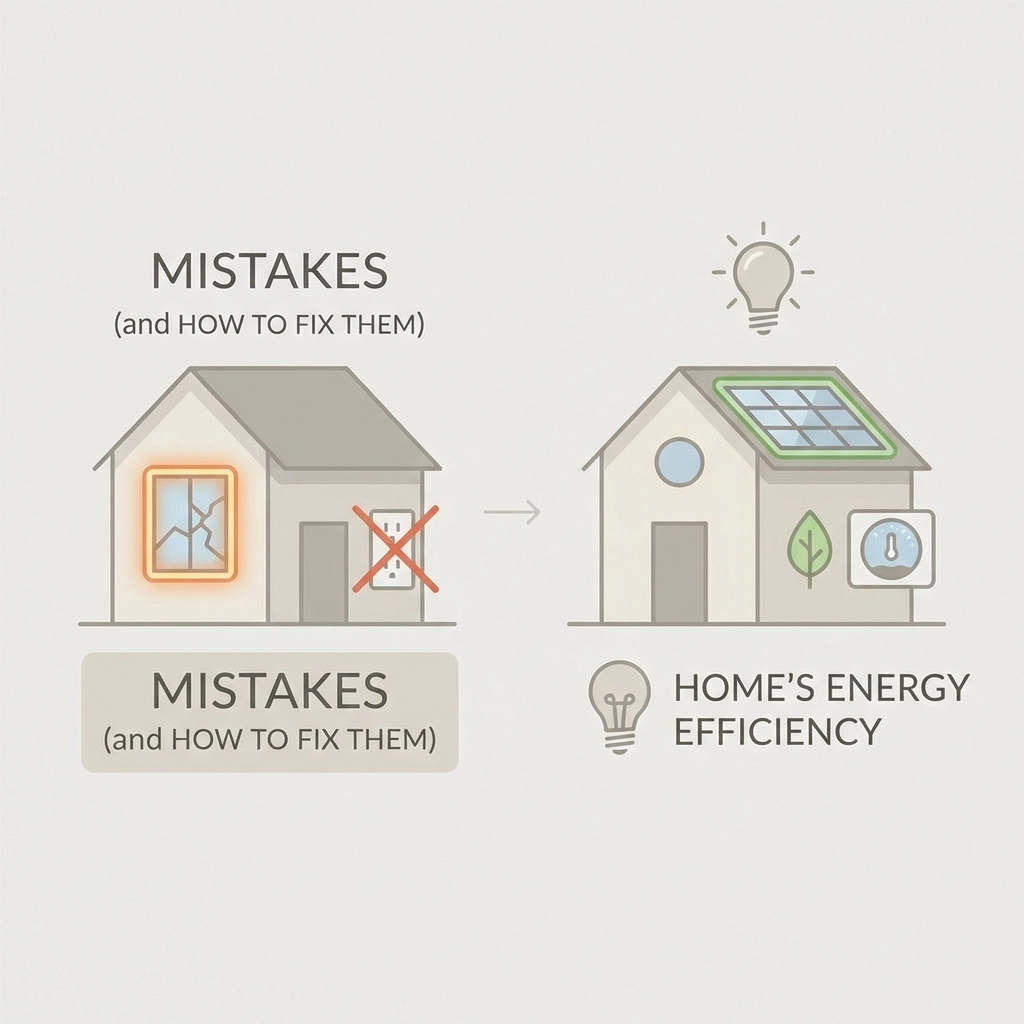
One of the biggest motivators for getting a home energy audit is to improve your home’s energy efficiency. Leaking windows or poorly insulated walls are just a few unseen contributions to costly utility bills. To reduce energy loss, replace existing windows and exterior doors with eco-friendly options that offer energy star ratings. Look for options that provide a good seal. This will keep cold air out in the winter months and during the summer ones.

Having the proper amount of insulation in your walls and attic space is an easy way to improve your home’s efficiency while reducing energy emissions. If you have an older home, you likely have fiberglass insulation. Do not assume existing fiberglass must be removed simply because of its material or age. The Department of Energy’s insulation guide recommends assessing the existing R-value and whether more insulation is needed. Have a qualified contractor evaluate gaps, moisture, and suitability before disturbing insulation.
Reduce Carbon Footprint
Reducing wasted electricity can lower household emissions; the effect depends on your energy supply and usage. Switching from incandescent lights to LED lighting is an easy eco-friendly upgrade you can make to be more efficient while reducing your household emissions. In addition, swapping older appliances for energy-efficient ones helps curb consumption while also saving money on your annual energy bills.
Upgrading to a Smart Home lets you take your sustainability up a notch by automating and maintaining your energy use with technology. Purchasing a smart thermostat allows you to monitor and control the temperature of your home from anywhere in the world. A smart thermostat offers lots of helpful features such as HVAC alerts for system issues and maintenance, programmable temperature settings, and the ability to sync and control your temperature based on your schedule or weather conditions. Integrating Smart technology into your quest for energy efficiency offers the best in maintenance and savings for your home’s future.
Increase Safety
Assessing the health and safety of your home is a great reason to get a home energy audit. If you hire a professional, they will go through your energy audit using different tools and tests. Ask which combustion-safety, ventilation, and fuel-leak checks are included. An energy assessment is not a substitute for a full electrical inspection; suspected gas leaks or electrical faults need immediate attention from the utility or a qualified professional. If your audit shows that there’s room for improvement, consider the costs of replacing these systems against your current inefficiencies and needs to decide on the next steps.
Add Value To Your Home
Whether you’re planning to sell in the future or hoping to move, increasing the energy efficiency of your home will increase your home’s market value. Adding sustainable energy systems like solar panels or passive water heaters are hot ticket items in today’s real estate market. Resale value depends on the local market, equipment condition, documentation, and ownership terms. Do not assume an upgrade will recover its full cost when you sell.
When looking for a new home, you can search home listings online that will showcase if a home is energy efficient. Do so by looking for things such as newer windows, and Energy Star ratings. If a house is energy efficient, they will most likely showcase this because it can intrigue a potential buyer. When scoping out new homes, ask a realtor if a home energy audit has been conducted within the last few years. If not, try to get an audit before purchasing a home. This way you know what to expect moving forward and can negotiate with the seller.
Help Your Budget
Once you’ve conducted your home energy audit, you’ll have a roadmap to help you decide which upgrades to consider. Savings come from completing suitable improvements, not from the audit alone. Ask for home-specific estimates, compare installed costs, and track usage after the work. And don’t forget to take advantage of the many rebates and incentives that are available in your state. Conducting an energy audit on your home helps you identify the kinds of upgrades you need for improved energy efficiency while having the ability to budget in long-term investments and other home improvement projects.