

Image Source
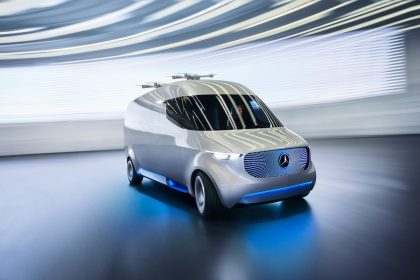
Let’s talk electric vehicle delivery services. For the days of engines roaring and smog dominating the delivery routes are long gone. The electric vehicle revolution is no more a distant fantasy. However, a reality that awaits the logistics industry in the near future. Lately, many businesses have begun to consider electrification. Thats to make their delivery fleet more sustainable. Electric vehicles (EVs) are a clean and efficient alternative to traditional fossil fuel vehicles. EVs’ increased accessibility has also greatly affected supply chain distributions.
This article also explores the significant impact electric vehicle delivery services have on logistics.
Uses of EV Delivery in the Logistics Industry
Previously, many logistics operators opted for ICE-powered vans and trucks as the standard mode of delivery. Nowadays, they are mostly using EVs for hyperlocal operations. In fact, electric vehicle delivery vehicles for logistics can be used for all types of cargo and delivery methods.
For instance, electric cars are suitable for urban last-mile delivery services. That’s especially because they cover shorter distances and require more frequent stops. In contrast, restaurant chains use electric scooters or bicycles for short-range food delivery. EVs are also less noisy than fuel cars. So they do not emit fumes. Therefore, they are best suited for residential areas and commercial hubs.
Upfronts and Operations Cost
The initial cost of an EV may be higher than that of gas-fueled vehicles. But in the long run, running an EV can be considerably cheaper. EVs have fewer moving parts and electric motors. Moreover, that makes them cost-effective in terms of repair and service. Especially during the vehicle’s lifetime. Also, they have fewer consumable parts requiring replacement.
The volume-weighted average estimate of an EV is likely to reach about US$56,000 by 2024 in the UAE. Thereby indicating the growing market with different options for logistical players for provision. Furthermore, since electricity is cheaper than fossil fuels. All because charging an EV is cheaper than fueling a gas-powered vehicle. That’s more expensive for companies with large fleets of vehicles that travel long distances.
Environmental Benefits of EVs
Needless to say, the most obvious benefit of electric cars and trucks is environmental. First and foremost, an EV generates zero-point emissions in contrast to a gasoline vehicle, and thus, contributes to less air pollution. This is mostly beneficial in crowded areas and large cities that face issues like smog and polluted air.
In addition to that, EVs have greatly contributed to the reduction of emissions of greenhouse gasses, which is crucial in addressing the issue of global warming. This is primarily the reason why a growing number of governments are pushing for the adoption of EVs for both personal and professional use. For example, the United Arab Emirates has garnered worldwide attention lately, after the government introduced corporate tax incentives to encourage people to buy EVs or invest in EV charging stations.
Overcoming EVs Challenges
As we mentioned above, EVs have far lower operational costs over the long term but they come with their own set of challenges. For instance:
- EVs are only effective for small distances and, therefore, cannot be used for long distances.
- Charging can also be tricky since the charging points may be situated away from the known routes.
- Charging times for EVs can also be longer, compared to fuel-powered vehicles which do not require battery juice to carry on with their journey or deliveries.
A specialized EV fleet management software presents a smart solution to bridge these gaps. It can analyze delivery routes, cargo size, and battery health to keep the distance an EV can cover in any round trip at optimum levels at all times. Moreover, it also provides you with real-time traffic data. Add softwares like these and more charging stations to the mix and logistics firms can open the door to a greener future, while removing range anxiety and charging constraints out of the picture!
The Future of Electric Vehicles
The shift from ICEs to EVs is an important development. The commercial vehicle market has come a long way in the last few years to embrace electric power. Considering that many regions of the world also have set annual targets to achieve carbon neutrality, the share of EVs in supply chain deliveries will only rise. As electric transport solutions become the order of the day, internal combustion engine vehicles that rely on gasoline or diesel will eventually be phased out.
It is also believed that the purchase and use of EVs will also help create more jobs in the local manufacturing sector and address the unemployment crisis in the automotive industry.
Wrapping Up
The logistics industry is well-timed to meet the growing consumer demand while maintaining a competitive edge in the market. There is no doubt that with the help of proper investments, the creation of the necessary infrastructure, and the development of appropriate innovative technologies, the electric future of the logistics market is nearer than it seems.
