A Solar Germany Paradox: Why Rooftops with Energy Beats Farmland Every Time
A “Solar Germany” has long stood as the global poster child for the rooftop energy transition. For decades, the “Energiewende” inspired nations to embrace the sun. However, as we move through 2026, a strange and troubling paradox has emerged in the German heartland. While the country is breaking records for solar generation, the way it is getting there is causing a massive rift in rural communities. Consequently, a once-unified movement for green energy is now fractured.
The situation is clear: rooftop solar installations have essentially collapsed. Meanwhile, massive solar parks are devouring prime farmland at an alarming rate. This shift is not a natural evolution of technology. Instead, it is a direct result of policy decisions that have prioritized large-scale utility projects over local, decentralized production. As a result, Germany is now facing a “vegetables vs. panels” crisis that provides a stark warning for the United States.
The Great Solar Germany Rooftop Energy Collapse of 2026
In the first half of 2026, the numbers coming out of the German Federal Network Agency were shocking. Residential rooftop installations fell by over 21% compared to the previous year. Furthermore, the commercial rooftop sector saw a one-third drop in new projects. This decline is particularly painful because 2026 marks the final year for property owners to lock in the 20-year fixed feed-in tariffs.
Starting in 2027, the German government is shifting new systems to “direct market integration.” This essentially means small homeowners will have to navigate complex market payments rather than receiving a guaranteed check. Therefore, many citizens are simply walking away from the solar dream. They see the bureaucracy as too high and the financial certainty as too low. While the government argues that rooftop solar is now “mature” enough to survive without help, the market reality suggests otherwise.

The Farmland Gold Rush in Brandenburg
Conversely, the ground-mounted solar sector is booming like never before. In early 2026, large-scale solar parks accounted for more than half of all new capacity additions. Consequently, investors are scouring the countryside for any available acre. This is particularly visible in the state of Brandenburg, surrounding Berlin.
In the Märkische Schweiz Nature Park, local residents and farmers are organizing protests. They are fighting against the industrialization of their scenic landscapes. While green energy is vital, the “panels over potatoes” approach is causing real economic pain. Tenant farmers, who do not own the land they work, are being priced out by well-funded energy corporations. These investors can offer lease rates that far exceed what a farmer can make growing rye or corn. Thus, the very people who feed the country are losing their livelihoods to the energy transition.
Why the US Should Pay Attention to a Solar Germany for Rooftop Energy
This German paradox is exactly what we need to avoid in the United States. Currently, the debate over solar land use is heating up in states like Ohio, Indiana, and California. We often hear critics argue that solar is “destroying” American farmland. However, the data from the Solar Energy Industries Association (SEIA) tells a more nuanced story.
As of late, utility-scale solar uses only about 0.07% of all U.S. farmland. To put that in perspective, golf courses occupy roughly 2.6 times more prime farmland than solar does. Furthermore, suburban sprawl and industrial development have converted six times more farmland than solar has over the last decade. Therefore, solar is not the primary threat to our agricultural heritage. Nevertheless, if we follow Germany’s lead and let rooftop incentives wither, we will be forced to put more pressure on our rural lands.

The Better Way: Rooftops, Parking Lots, and Brownfields
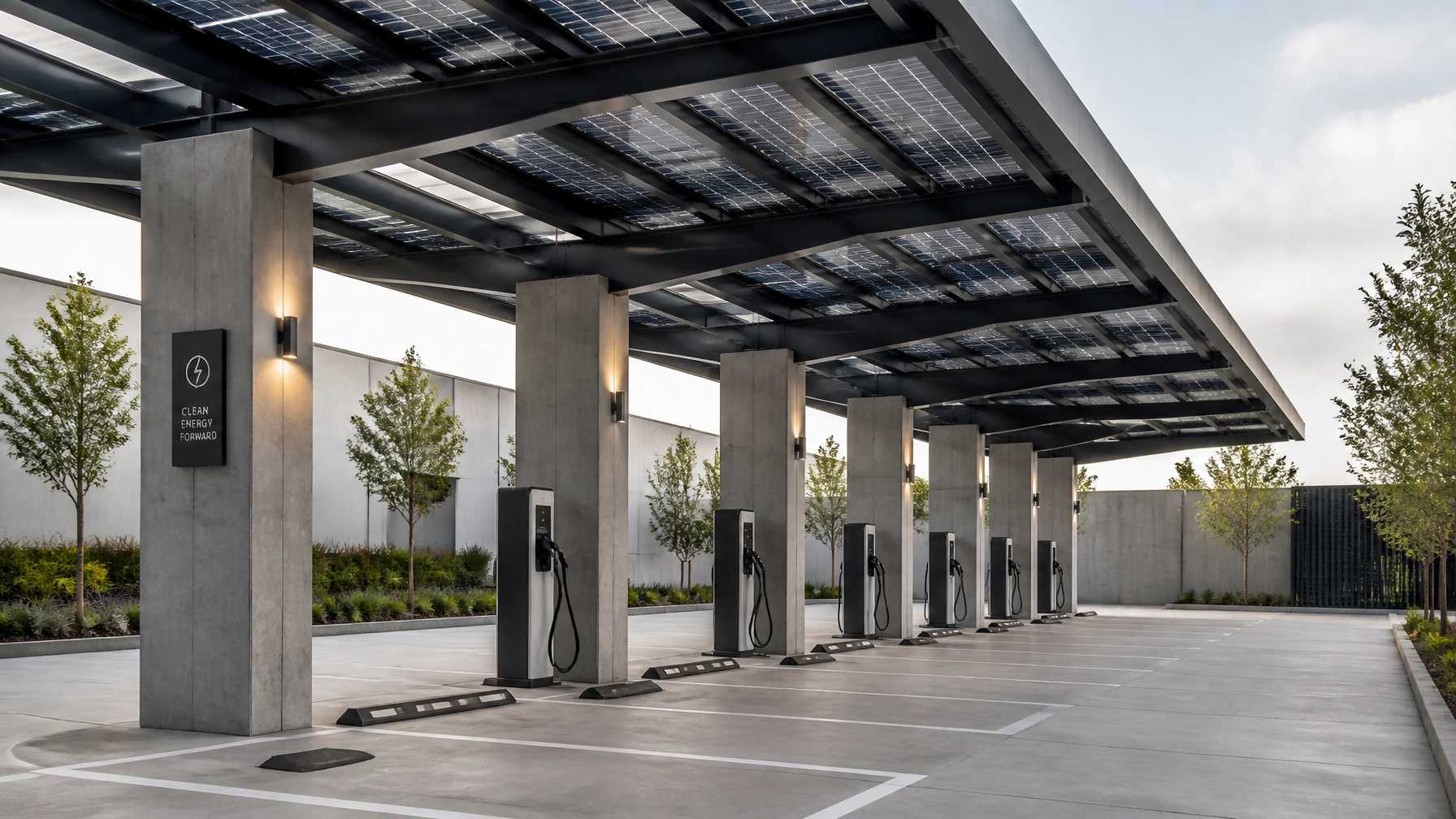
At Green Living Guy, we have always advocated for a “Rooftops First” strategy. There are millions of acres of “dead space” already available in our built environment. For instance, think about the massive flat roofs of warehouses and big-box stores. Furthermore, consider the potential of parking lot solar canopies.
Solar canopies do more than just generate power; they provide shade for vehicles and reduce the “urban heat island” effect. Moreover, they keep the energy production close to where it is consumed, reducing the need for expensive new transmission lines. If we prioritize these sites along with “brownfields”: contaminated industrial lands that cannot be used for farming: we can meet our climate goals without touching a single acre of prime soil.
The Agri-PV Compromise
When we must use farmland, we should do it correctly. This brings us to “Agri-PV” or agrivoltaics. This technology involves raising solar panels high enough to allow farming and grazing to continue underneath.
While Agri-PV currently faces higher capital costs and more complex planning requirements, it is the ultimate win-win. In Germany, farmers are experimenting with growing berries and hay under semi-transparent panels. The panels provide shade, which reduces water evaporation during heatwaves. Consequently, the crops actually perform better in a changing climate. If we are going to use our fields for energy, we must ensure they remain fields for food as well.

Lessons from the German Crisis
The German solar paradox of 2026 teaches us three critical lessons:
- Policy Dictates Geometry: When you kill rooftop incentives, you force solar into the forest and the field.
- Community Buy-In Matters: If local residents feel that solar is being “done to them” by outside investors, they will fight it: even if they believe in climate action.
- Dual-Use is Non-Negotiable: We should never have to choose between energy security and food security.
Germany’s rooftop collapse is a cautionary tale. It shows that even a “green” policy can have disastrous side effects if it ignores the importance of decentralized, local power. We must continue to push for innovative microgrid solutions and sustainable home modifications that keep the power on our roofs.
The sun shines on every building in America. Let’s use those surfaces first. By doing so, we can protect our farmers, preserve our landscapes, and still lead the world in the clean energy revolution.
Sources and Further Reading:
- Fraunhofer Institute for Solar Energy Systems: Recent Data on German PV
- SEIA: Solar Land Use and Agriculture Fact Sheet
- Bloomberg Green: The Global Energy Transition Monitor